Bali Schools With Learning Support 2026
Need personalized advice for your Bali journey? Ask our AI Bali Mom—expertly trained by parents with 10+ years on the island.
Start Chatting →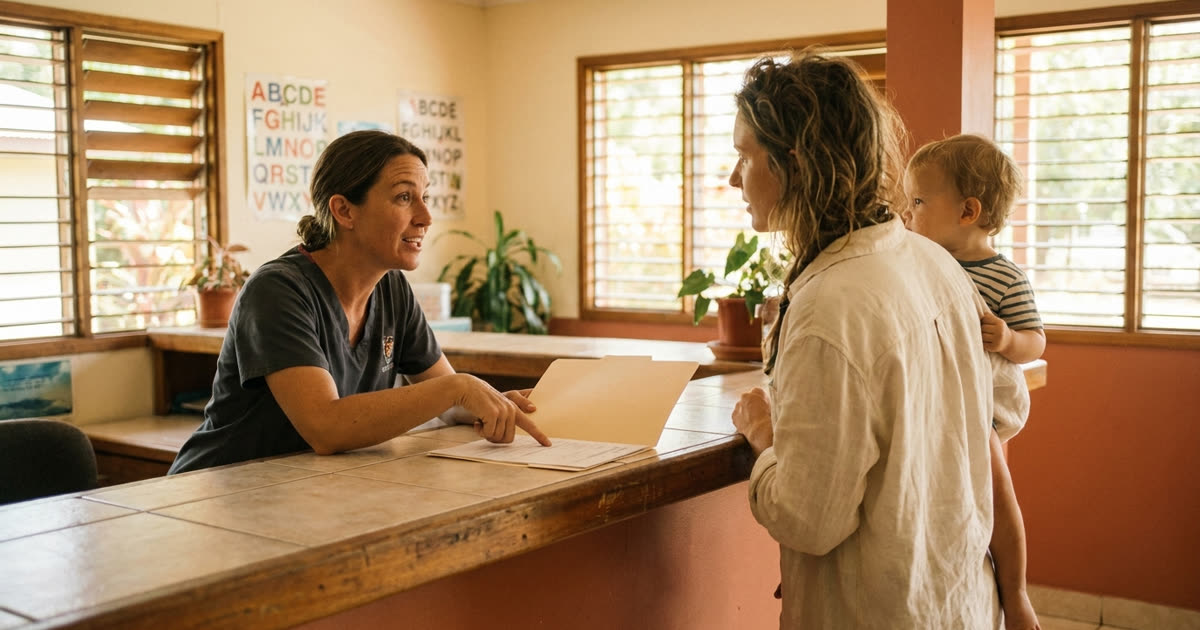
The Reality of Bali International School Learning Support: What "Inclusive" Actually Means
Very few Bali international schools run a real Learning Support (LSA) program with a credentialed specialist, a written Individualized Education Plan, and a named inclusion coordinator on staff. Most only offer generic "differentiated instruction" inside a standard classroom, and that is not the same as genuine inclusion for a child with dyslexia, ADHD, or autism. Before enrolling, ask to see the school's actual SEN policy in writing and meet the learning support coordinator directly, not admissions, who will always say yes.
The Reality of Education in Bali
In Bali, "international school" covers an enormous range: large, well-resourced campuses with real student services departments, and small boutique schools run out of a converted villa where a handful of teachers each wear five hats. Both can be wonderful. Both can also oversell what they offer a child who needs more than the standard classroom pace.
The mistake newcomers make is trusting the word "inclusive" on a website. Every school's marketing page says some version of "we celebrate every learner" or "differentiated learning for all." That phrase describes a teacher adjusting a worksheet, not a qualified learning support specialist running pull-out sessions, tracking an IEP (Individualized Education Plan), or coordinating with an outside occupational therapist or speech therapist. If your child has a diagnosed or suspected difference (dyslexia, ADHD, autism, a processing delay), you need to know which one you're getting before you sign a term's fees, not after the first parent-teacher conference.
Bali's school landscape spans from large, established campuses like Green School Bali and Bali Island School (BIS) down to a growing cluster of smaller, boutique and alternative schools concentrated around Canggu and its surrounding villages. Staffing, specialist availability, and inclusion depth vary school to school and can change year to year as contracts turn over. That's exactly why a policy document and a direct conversation matter more than a school's size or reputation.
If your child hasn't been formally assessed yet, start there before touring campuses. Our guide to Bali Autism & ADHD Assessment 2026: Where to Get Diagnosed walks through where families actually get a diagnosis on the island. A school conversation goes very differently once you're holding a real report.

What to Look For
A named, credentialed learning support role
The single clearest signal is whether the school employs someone whose actual job title is Learning Support Coordinator, SENCo (Special Educational Needs Coordinator), or Inclusion Lead, not a classroom teacher who "also handles that." Ask for their qualifications directly. A school with real capacity will tell you proudly. A school without it gets vague fast.
Individualized Education Plans, not verbal promises
A real program produces a written IEP or Individual Learning Plan for a child who needs one: specific goals, specific accommodations, a review date. If a school tells you support happens "informally" or "case by case," that usually means there's no documented process, and no documented process means no accountability if it slips.
Class size and adult-to-child ratio
A smaller school can offer more individual attention through smaller classes alone, even without a dedicated LSA department. A larger campus can sometimes fund a bigger specialist team. Neither size guarantees the outcome. Ask about the ratio directly, and ask what happens when the one specialist goes on leave, since small teams have no backup.
External therapist access
Does the school let outside occupational therapists, speech therapists, or shadow teachers and aides onto campus during school hours, or does everything have to run through in-house staff only? This flexibility is often the difference between a neurodivergent child thriving and falling behind.
Curriculum flexibility
Some curricula (certain IB and alternative-education programs) build in more flexibility for different learning paces than a strictly exam-driven system does. This isn't a fixed rule, so ask how the curriculum at each school on your shortlist actually accommodates a child working below or above grade level in one subject.
If you're weighing a more flexible, nature-based or alternative model against a traditional international curriculum, our piece on Uluwatu 2026: The Rise of 'Slow Schooling' and Why Nomadic Parents are Choosing Regenerative Education over Traditional International Schools is worth reading before you tour anything.
A vetting checklist for your school visits
Treat a campus tour like an audit rather than an open house. These are the questions that surface the truth faster than any brochure:
- Ask to see the school's written SEN/inclusion policy, not a summary, the actual document.
- Meet the learning support coordinator in person, separately from your admissions tour.
- Ask how many children currently have an active IEP and how often those plans are reviewed.
- Ask what happens if your child needs support the school doesn't currently have staff for: do they hire, refer out, or decline?
- Ask whether outside therapists or shadow aides are permitted on campus, and under what conditions.
- Ask about waitlists for learning support specifically: general enrollment can be open while support capacity is full.
- Request to speak with one current parent of a child with a similar learning profile, if the school can arrange it with consent.
- Confirm the specialist's actual qualifications and how long they've been with the school. Turnover is common in Bali's international staffing market.
- Ask what a typical support session actually looks like: pulled out of class, in-class support, or after hours.
For a broader sense of what different schools cost and where seats are currently open, our guide to International Schools Bali 2026: Real Fees & Open Spots is a good companion to this checklist.
Practical Tips
- Get your child's assessment done before you commit to a school, not after. A report changes what questions you know to ask.
- Visit during school hours, not just an open day. Open days are staged; a normal Tuesday morning isn't.
- Ask for the inclusion policy in writing and keep a copy. Verbal reassurances at enrollment don't hold schools accountable a year later.
- Build in a trial term if the school offers one, and set a specific check-in date with the coordinator before the term starts.
- Keep your own running notes on what's promised versus what's delivered in the first month. Memory fades, and you'll want the record if something needs to be raised.
- If a school says "we'll figure it out as we go," treat that as an answer, not a placeholder. It usually means there isn't a plan yet.
- Don't assume a bigger, well-known campus automatically has better support than a small one. Verify both the same way.
A Conscious Note
Choosing a school for a child who needs extra support is already an emotional decision, and Bali adds its own complexity: a fast-moving expat community, staff who move between schools, and specialist capacity that hasn't caught up with demand yet. Wherever you land, look for ways to give back rather than just consume: many schools and independent specialists on the island welcome parent volunteers, donated materials, or direct feedback that helps them improve for the next family.
Quick-Reference FAQ
Do Bali international schools have special education teachers? Some Bali international schools employ a dedicated Learning Support Coordinator or special education specialist with real qualifications, but many don't and instead rely on classroom teachers adjusting lessons informally with no dedicated inclusion staff. This varies by school and can change as staff turn over, so verify it directly with each school on your list rather than assuming from size or reputation.
How do I know if a school's "inclusive" claim is real? You can verify whether a school's "inclusive" claim is real by asking for the written SEN policy, meeting the actual learning support coordinator in person, and asking how many children currently have a documented IEP. A school that can answer all three specifically has a real program; a school that stays vague on all three probably doesn't.
Should I get my child assessed before or after choosing a school? Get your child assessed before choosing a school if you can. A formal diagnosis or assessment report gives you concrete language to use in school conversations and helps you judge whether a school's stated support actually matches what your child needs.
Get the weekly Bali family digest
Events, new guides, one seasonal tip. No spam.
One email a week. Unsubscribe anytime.
Related Articles
Trusted Bali family partners
Open Flow
Lukluk (Mengwi)Open Flow is a nature-based school in Lukluk (Mengwi) for children aged 2–12, weaving Steiner, Montessori, Reggio Emilia and forest-schoo…
View partner →Malinki School
KerobokanMalinki School is a nurturing international school in Kerobokan, Bali, offering a creative, child-centred curriculum that blends global l…
View partner →Balu Kids
UbudBalu Kids is a Montessori children's center near Ubud, in Kemenuh, Sukawati (Gianyar), about 30 minutes by car from central Ubud. It offe…
View partner →