Uluwatu 2026: The Rise of 'Slow Schooling' and Why Nomadic Parents are Choosing Regenerative Education over Traditional International Schools
Need personalized advice for your Bali journey? Ask our AI Bali Mom—expertly trained by parents with 10+ years on the island.
Start Chatting →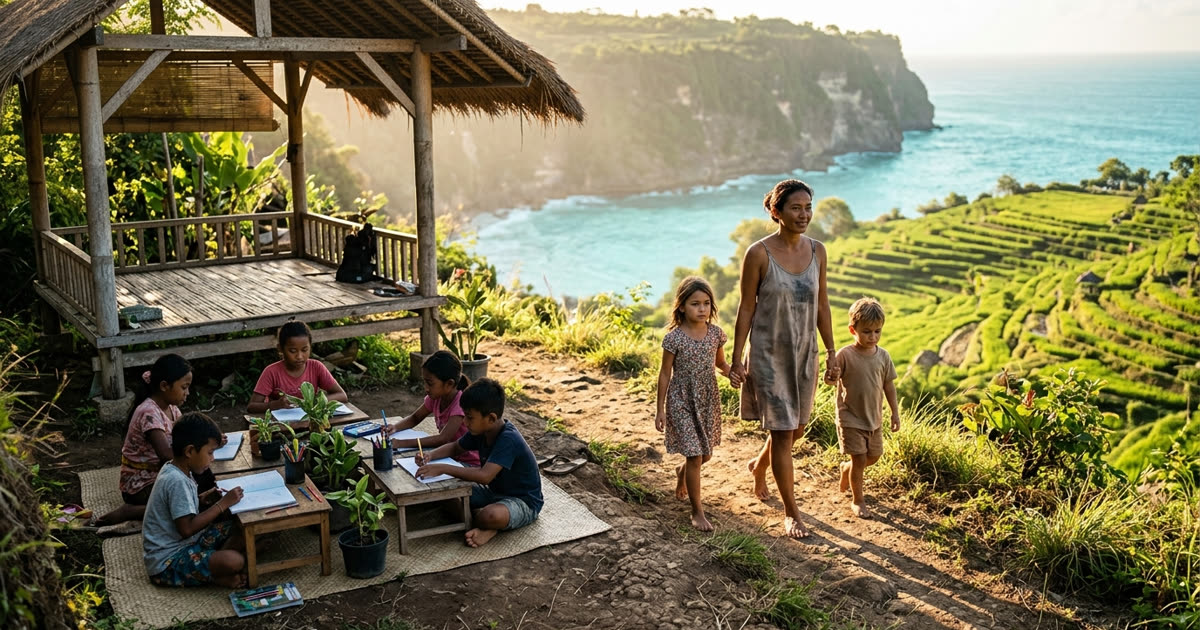
Uluwatu 2026: The Rise of 'Slow Schooling' and Why Nomadic Parents are Choosing Regenerative Education over Traditional International Schools
Are you a digital nomad parent anchored, or yearning to be anchored, in the soulful enclave of Uluwatu? Chances are, you've wrestled with the schooling question. The familiar pull of traditional international schools competing with a growing movement towards something…different. Something slower, more deeply rooted, and ultimately, more regenerative. Uluwatu 2026 paints a picture of a blossoming alternative: the rise of 'Slow Schooling' fueled by nomadic parents seeking education that nurtures not just academic intelligence, but emotional, ecological, and spiritual wisdom. Let's explore why this shift is happening and how you can embrace it for your family.
The Drawbacks of the International School Model (and Why Parents Are Questioning It)
While Bali boasts several reputable international schools, the traditional model often clashes with the nomadic lifestyle and values. The high tuition fees can strain budgets, especially for location-independent families. More importantly, the standardized curriculum, emphasis on testing, and competitive environment can feel out of sync with the desire for a more holistic, individualized learning experience.

Consider the pressure to achieve high grades, the time spent commuting, and the potential disconnect from the local Balinese culture and environment. Many nomadic parents are realizing that this conventional path can stifle their children's natural curiosity, creativity, and connection to the world around them. They are seeking an education that is not just in Bali, but of Bali, one that integrates local wisdom and promotes responsible stewardship of this vibrant island. Think less rote memorization and more hands-on learning connected to the land and community.
What is 'Slow Schooling' and How Does It Fit Uluwatu's Vibe?
'Slow Schooling' is not a rigid methodology but rather a philosophy that prioritizes deep learning, experiential activities, and a child's individual pace. It embraces the local context, fostering a connection to the natural environment and the community. In Uluwatu, this might manifest as:
- Unscheduling: More time for unstructured play, exploration, and following individual interests. Picture afternoons surfing together, exploring hidden waterfalls, or learning traditional Balinese dance.
- Place-Based Learning: Integrating the local environment into the curriculum. Imagine learning math through counting temple offerings, science by studying the Uluwatu reef ecosystem, or history through interacting with local elders.
- Community Engagement: Participating in local projects, learning from Balinese artisans, and understanding the importance of Tri Hita Karana, the Balinese philosophy of harmony between humans, nature, and spirit.
- Mentorship & Apprenticeships: Connecting children with local experts and artisans to learn traditional skills and trades, from wood carving to organic farming.
- Regenerative Practices: Instilling a sense of responsibility towards the environment through hands-on projects like permaculture gardening, waste reduction initiatives, and learning about sustainable tourism.
Uluwatu, with its breathtaking natural beauty, strong sense of community, and growing conscious community, provides the perfect backdrop for slow schooling.
Practical Tips for Creating a Regenerative Education in Uluwatu
Embracing 'Slow Schooling' doesn't require abandoning formal education entirely. It's about thoughtfully blending different approaches to create a learning ecosystem tailored to your child's needs and your family’s values. Here are some actionable tips:
- Explore Homeschooling Communities: Connect with other nomadic families in Uluwatu who are homeschooling or unschooling. Share resources, collaborate on projects, and create a supportive learning network. Look for groups on platforms like Facebook dedicated to "homeschool Bali" or "nomad families Bali".
- Supplement with Local Workshops and Classes: Uluwatu is teeming with opportunities for enriching learning experiences. Look for Balinese cooking classes, surfing lessons, yoga workshops, traditional dance classes, and Bahasa Indonesia language lessons.
- Utilize Online Resources Mindfully: While 'Slow Schooling' emphasizes experiential learning, online resources can still play a role. Curate educational apps, documentaries, and online courses that align with your child's interests and learning style. Focus on resources that promote critical thinking and creativity.
- Create a Learning-Rich Environment at Home: Surround your child with books, art supplies, musical instruments, and opportunities for hands-on exploration. Encourage curiosity and experimentation.
- Connect with Local Experts: Reach out to local artisans, farmers, healers, and community leaders. Ask if they would be willing to share their knowledge and skills with your child.
- Embrace the Outdoors as a Classroom: Bali is a natural playground. Take advantage of the beaches, rice paddies, and jungles for hiking, exploring, and learning about the environment.
The Future of Education in Uluwatu: A Regenerative Vision
Uluwatu in 2026 is poised to become a hub for regenerative education, attracting nomadic families seeking a more meaningful and holistic learning experience for their children. As the slow schooling movement gains momentum, we can expect to see:
- The emergence of innovative learning communities that blend homeschooling, unschooling, and place-based education.
- Increased collaboration between nomadic parents, local educators, and community organizations.
- A growing emphasis on sustainable living, environmental stewardship, and social responsibility.
- A shift away from standardized testing and towards more authentic assessments of learning.
Are you ready to embrace the rise of slow schooling and unlock your child's full potential in the heart of Uluwatu?
Ready to connect with other nomadic parents embracing regenerative education in Uluwatu? Join our free community forum [link to forum] and start building your tribe today! Share your experiences, ask questions, and discover new opportunities for learning and growth.
Get the weekly Bali family digest
Events, new guides, one seasonal tip. No spam.
One email a week. Unsubscribe anytime.
Related Articles
Trusted Bali family partners
Balu Kids
UbudBalu Kids is a Montessori children's center near Ubud, in Kemenuh, Sukawati (Gianyar), about 30 minutes by car from central Ubud. It offe…
View partner →Island Kids
Canggu / BukitIsland Kids is an international kindergarten for curious little explorers aged 2–6, with campuses in Canggu and the Bukit. Rooted in the…
View partner →Biosphere School
JimbaranBiosphere School is a nature-integrated international school in Jimbaran, Bali, offering an inquiry-based curriculum designed to nurture…
View partner →