Gili Islands with Kids 2026: Which Gili Suits Your Family?
Need personalized advice for your Bali journey? Ask our AI Bali Mom—expertly trained by parents with 10+ years on the island.
Start Chatting →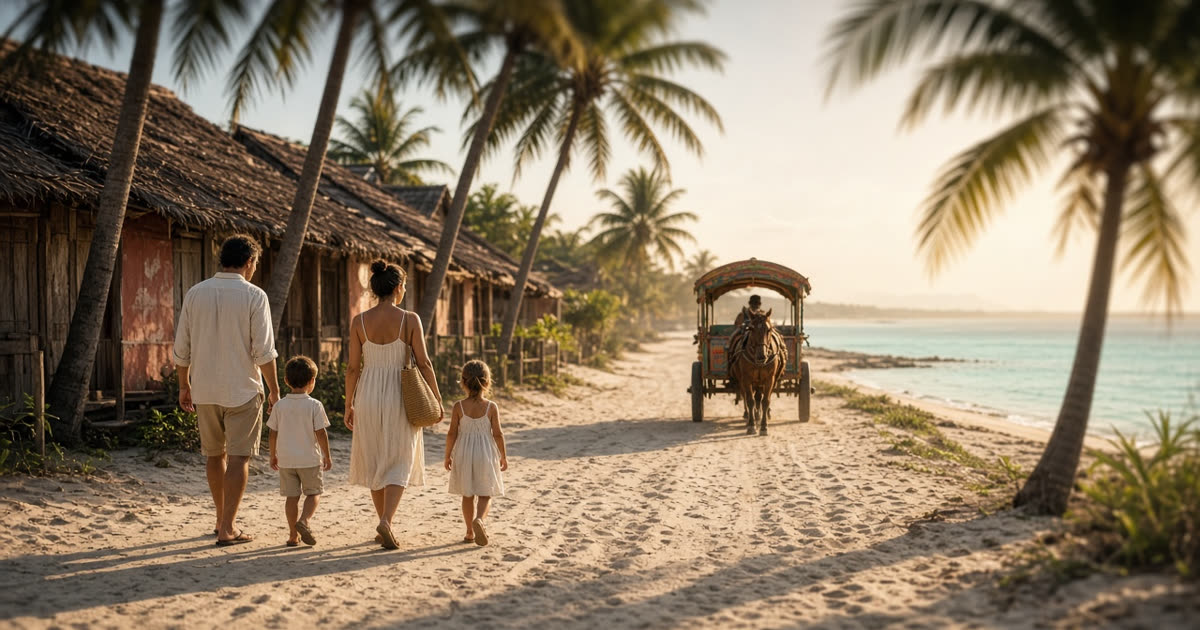
Gili Air is the best Gili Island for families with kids: it's calmer than Gili Trawangan, livelier than Gili Meno, and compact enough to walk everywhere with a stroller or a sleeping toddler. Pick Gili Trawangan for older kids who want more energy and choice. Pick Gili Meno for a quieter stay, if you're comfortable with fewer conveniences and limited medical backup.
The reality of a Gili stay from Bali
The three Gili Islands sit off the northwest coast of Lombok. You reach them by boat, not plane, the fast-boat crossing from Bali takes a few hours and varies by route and operator, and it can get rough when the sea turns. Families prone to seasickness may prefer travelling through Lombok instead, though that adds a road transfer. Check your nationality's current Indonesia visa requirements before you travel, and build enough time for your Gili stay if you're combining it with a longer Bali trip.
The islands have no car network. Most journeys happen on foot, by bicycle or by horse-drawn cart. That sounds simple until you arrive with a sleeping toddler, several suitcases and accommodation down a sandy track.
The biggest mistake is choosing a Gili Island from beach photos alone. The right island depends on your kids' ages, your tolerance for noise and how far you're willing to be from real medical care. If you're deciding between a longer Lombok stay and using the Gilis as a short break, read our Lombok vs Bali for Families 2026: Which Island Fits Your Family?.
What to look for

The atmosphere after bedtime
Gili Trawangan is the busiest of the three and has the strongest nightlife reputation. It also has the most going on during the day. Check the exact location before booking, since music and late-night foot traffic matter when bedtime is early.
Gili Air is the middle ground. It feels calmer than Gili Trawangan while keeping enough going on for families who don't want total isolation. For a first Gili trip with young kids, most families land here.
Gili Meno is the quietest option. It suits families who want slow days and early nights. You'll trade away some choice for it — expect fewer menu options when a child suddenly refuses every meal except toast.
Beaches and water conditions
All three islands have tropical water and chances to swim or snorkel, but a good-looking beach doesn't tell you much about entry conditions. Entry points can include coral, rocks or boat traffic, and currents and visibility shift with weather, tide and location. Ask your accommodation about the nearest practical swimming spot, not just the nearest beach. A beautiful shoreline can still be rough on small feet or wrong for an independent toddler. Calm-looking water can hide a current, a drop-off or boat traffic, so check conditions each day, keep kids within reach, and use properly fitted flotation gear where it helps. Older kids who snorkel should stay with a responsible adult instead of chasing turtles or fish into deeper water.
Getting around without cars
Walking works well when your room, food and the beach sit close together. It gets harder in midday heat, after rain or once a child hits the "carry me" stage. Bicycles can suit confident older kids, but paths may be sandy, uneven or crowded with pedestrians. Check child seats and helmets yourself rather than assuming they're safe. Standard city pushchairs struggle on soft sand. A compact all-terrain stroller or baby carrier usually works better, though carriers can get uncomfortably hot.
Medical access and emergency planning
On-island healthcare is basic. It can handle an initial check or a minor problem, but anything serious means a boat transfer to Lombok or back to Bali. How quickly you can make that transfer is what actually matters here. Sea conditions, boat availability and the time of day all affect how fast you reach proper care. If you're pregnant, managing severe allergies, handling complex medical needs or travelling with a child who's been recently unwell, talk to your doctor before booking. Bring enough prescription medication, copies of relevant medical records and travel insurance that covers treatment and evacuation. Confirm current healthcare options directly before you go, since island facilities change.
What a family stay actually costs
Expect three loose bands rather than one island price. Budget stays are basic guesthouses or homestays, fan rooms, shared bathrooms, a short walk from the harbour. Mid-range brings family bungalows with air-con, a private bathroom and often a small pool, usually closer to the beach. Premium means beachfront villas with full air-con, a private pool and extra staff on hand. Four things move the price more than which island you pick: distance from the beach and harbour, peak versus shoulder season, fan versus air-con, and the boat itself — a shared public boat costs far less than a private or fast charter. Ask your accommodation and boat operator for current rates directly, since both shift with season and fuel costs.
Your children's ages
For babies, Gili Air usually gives you the easiest mix of calm and convenience. Gili Meno can work if you're comfortable with fewer fallback options. Check cot safety, room temperature, drinking-water arrangements and transfer logistics before you pay.
For toddlers, location matters more than island size. Pick accommodation within an easy walk of food and a suitable beach. Never assume pool fencing, stair gates or enclosed outdoor areas are in place, always ask.
For primary-school kids, Gili Air stays the most versatile pick. Confident older kids and teenagers may prefer Gili Trawangan's extra energy. Gili Meno suits children who are happy with quiet beach days.
Practical tips
- Check the forecast and sea conditions before you travel. Boat schedules change.
- Don't book a Gili boat straight onto an international flight. Leave room for delays.
- Ask where your boat arrives and how far the accommodation is from that point.
- Pack light enough that your family can carry its own luggage.
- Keep medication, dry clothes, snacks and important documents in a waterproof day bag.
- Confirm that children's life jackets are available and fit correctly; bring your own if unsure.
- Ask accommodation directly about pool barriers, cots, extra beds, stairs and bathroom layout.
- Choose rooms away from nightlife, generators and busy paths if your kids sleep lightly.
- Carry drinking water and sun protection on walks; shade isn't constant.
- Wear water shoes where the shore entry is rocky or covered in coral fragments.
- Don't touch coral, chase marine animals or stand on the reef while snorkelling.
- Recheck cancellation terms for boats and accommodation, especially in unsettled weather.
- Save emergency contacts offline and make sure another adult knows your insurance details.
A conscious note
Spend with locally owned accommodation, restaurants and guides where you can. Refill water instead of buying single-use bottles. Treat the reef as living habitat, not playground equipment. Walk when you can, and if you use a horse-drawn cart, check the animal's condition and handling before you agree to the ride. These are small islands with real residents, limited resources and real waste-management pressure.
Get the weekly Bali family digest
Events, new guides, one seasonal tip. No spam.
One email a week. Unsubscribe anytime.
Related Articles
Trusted Bali family partners
Eva Scolaro Talent Studio
Canggu / SanurEva Scolaro Talent Studio is a boutique performing arts and talent development studio with locations in Canggu and Sanur, helping childre…
View partner →Rumah Rabbit Bali
MungguRumah Rabbit is a relaxed, home-based art studio in Munggu where children from about 3 years old up to teens explore painting, drawing, c…
View partner →Backus Ceramics
CangguBackus Ceramics is a beloved ceramics studio in Canggu where families can get hands-on with clay in a relaxed, creative atmosphere. Class…
View partner →