Bali Nanny Share 2026: Split Cost & Hours
Need personalized advice for your Bali journey? Ask our AI Bali Mom—expertly trained by parents with 10+ years on the island.
Start Chatting →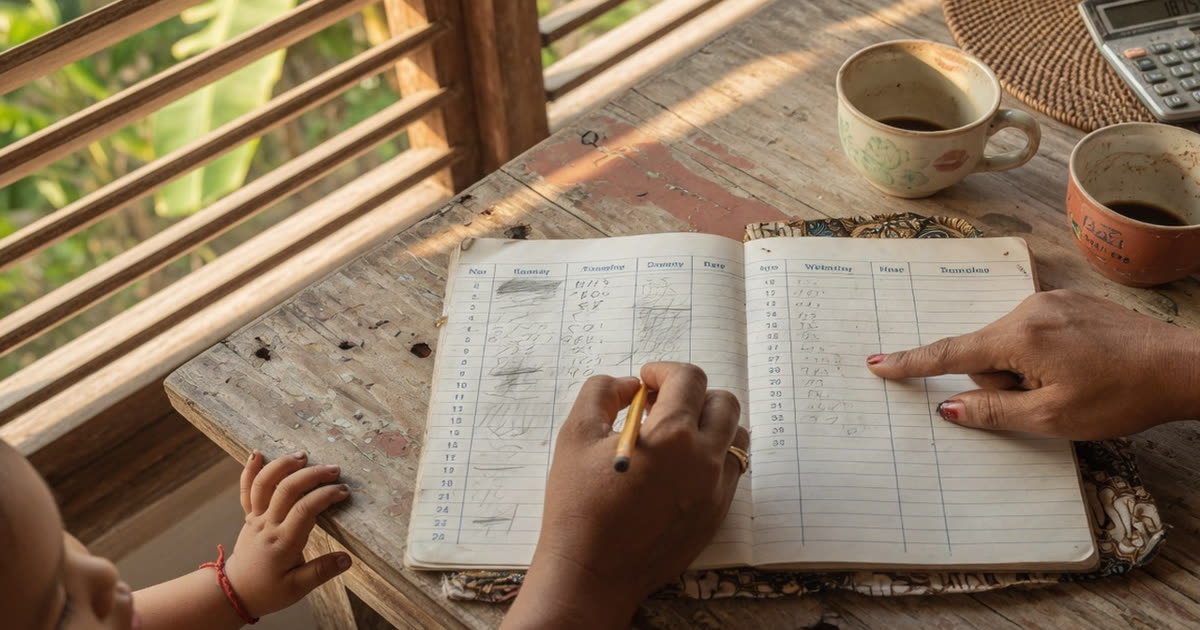
Bali Nanny Share 2026: Split Cost & Hours
Yes, a nanny share is worth it in Bali: it's the honest middle ground between a full-time private nanny and a daycare drop-off, usually cheaper per family without losing personal care. Pay by the hours each family actually uses, and get the practical basics — schedule, pay, emergencies, liability — down in writing before the trial week starts. (More on the liability piece below, including why it's worth a professional's eyes.)
The Reality of Nanny Shares in Bali
A nanny share usually means one carer and two families, alternating houses or alternating days. Sometimes both sets of kids are together; sometimes the nanny covers two households on a rotating schedule. It's common in Canggu and Pererenan, where two or three nomad or expat households often land in the same school run or coworking space and realize they're each paying for overlapping childcare hours.
Here's what catches newcomers out: a nanny share doesn't come at half the price of a private nanny by default. You're still paying for a skilled person's full day, just split between two families, and splitting a person's time is harder than splitting a bill. The families who make it work treat it like a small joint contract from day one. The families who don't usually skipped that step, assumed a friendly handshake would cover it, and ended up renegotiating everything three weeks in, mid-argument, in front of the kids.
Most shares start informally: through a parent Facebook group, a referral from another family, or just meeting at the same weekend spots. If you want to widen your circle of families before committing to a share, a Sunday farmers market or community meetup is the kind of low-key weekend outing where you end up talking to other parents about exactly this.

What to Look For
A nanny who's genuinely comfortable with two households
Not every great one-family nanny wants to split her week between two homes with two sets of rules, two pantries, and two disciplinary styles. Ask directly, early, whether she's done this before and how she felt about it. A hesitant answer is information — don't push past it.
How the hours actually get divided
Decide upfront: is she with both families' kids together in one house, or alternating between houses on different days? Write down which days belong to which family, who provides lunch and snacks on hosting days, and what happens when one family needs an extra hour with no notice. Vague hours are a common source of nanny-share friction.
What a fair pay split looks like
There's no single official rate for nanny pay in Bali, so treat the bands below as a guide, not a fixed price.
- Budget band: at or near minimum wage. Minimum-wage floors are set per regency and change every year, so confirm the current number for your area with a local authority, accountant, or agency before you settle on a figure — don't rely on last year's rate or a number from a Facebook group.
- Mid-range band: where most full-time nanny-share arrangements land in practice, above minimum wage but below agency rates. Numbers you'll hear in Bali parent Facebook groups are anecdotal — no institution publishes an official nanny pay scale, so treat them as a loose reference point.
- Premium band: live-in care, infant or special-needs experience, certifications (CPR/first aid), or a nanny covering two households' worth of driving between homes. Casual or part-time hourly coverage and overnight shifts cost more per hour than a standard daily rate, and agency-placed, highly experienced carers sit at the top of the range.
What drives the number up: more children, younger children (especially infants), live-in vs. live-out, transport between two homes, and certifications. The fairest split method: whoever's kids are being cared for during a given hour pays the hourly rate for that hour — in practice that rarely works out to an even 50/50. If one family goes on a week's vacation, the fairest approach is usually to keep paying her retainer for the hours already blocked out — she held that time for you instead of taking other work, so the pay holds too.
Liability: the part everyone skips
Talk through, in writing, what each family's insurance would cover if a child is injured at either house; what the emergency plan is (nearest clinic, who calls whom); and whether the nanny is registered for BPJS Ketenagakerjaan, Indonesia's national workers' social security program covering things like workplace injury. These are exactly the kind of questions a lawyer, insurance advisor, or the local labor office can answer properly — worth a short consultation before you finalize anything, for her protection and yours.
What to check before you sign anything:
- A paid trial week where both families actually show up at some point
- Two references you call yourself
- A copy of her KTP (ID) on file
- A short written agreement: hours per family, pay per hour, holiday/sick pay, liability, and who to call in an emergency
- Confirmation she's comfortable with two households before you finalize days
Practical Tips
- Put the agreement in a shared document both families and the nanny can see — a group chat buries it within a week.
- Revisit the split after the first month. Real hours rarely match the plan exactly.
- Agree on discipline and screen-time rules across both houses before day one: kids notice inconsistency fast, and so will she.
- Build in a notice period (a week is reasonable) for either family to leave the share, so nobody is stuck overnight.
- Keep a simple shared log of hours, even informally, so pay disputes don't rely on memory.
A Conscious Note
A nanny share works best when both families treat it as jointly employing a skilled professional and share the cost of good care, instead of quietly looking for a discount at her expense. Split genuinely shared costs (food, transport, supplies) rather than letting one household quietly absorb them. A nanny who's paid fairly and treated with respect is the foundation of good care, even when it costs more than the cheapest option on paper.
Quick-Reference FAQ
Is a nanny share actually cheaper than a private nanny? Yes, usually — you're splitting one salary two ways instead of paying it alone. Just don't expect it to land at exactly half: you're still paying for a full skilled role, only the hours and cost are divided between two households.
Who pays if my child gets hurt at the other family's house? Settle this in writing before the share starts, while everyone's calm and nothing has happened. Talk through whose homeowner or renter's insurance would apply, what the emergency plan is, and whether the nanny is registered under BPJS Ketenagakerjaan, Indonesia's national workers' social security program — then get the specifics confirmed by a lawyer, insurance advisor, or the local labor office rather than guessing. That's what keeps a scary accident a covered incident instead of a dispute between families.
What happens if one family goes on vacation? Most fair arrangements keep paying the nanny's retainer for that family's blocked hours — she turned down other work to hold that time, so the pay holds too.
Get the weekly Bali family digest
Events, new guides, one seasonal tip. No spam.
One email a week. Unsubscribe anytime.
Related Articles
Trusted Bali family partners
Anak Bentala
PererenanAnak Bentala is an individual service provider based in Pererenan, offering families a holiday program with a 5% discount.
View partner →Gradual Movement
Gradual Movement offers thoughtful, body-centred private classes in Bali — perfect for families looking to move, stretch, and recharge du…
View partner →Expat Therapy Hub
Online (all over Bali)Expat Therapy Hub is an online therapy service built for people living away from home. They match you with qualified international therap…
View partner →