Tirta Empul with Kids 2026: Worth It?
Need personalized advice for your Bali journey? Ask our AI Bali Mom—expertly trained by parents with 10+ years on the island.
Start Chatting →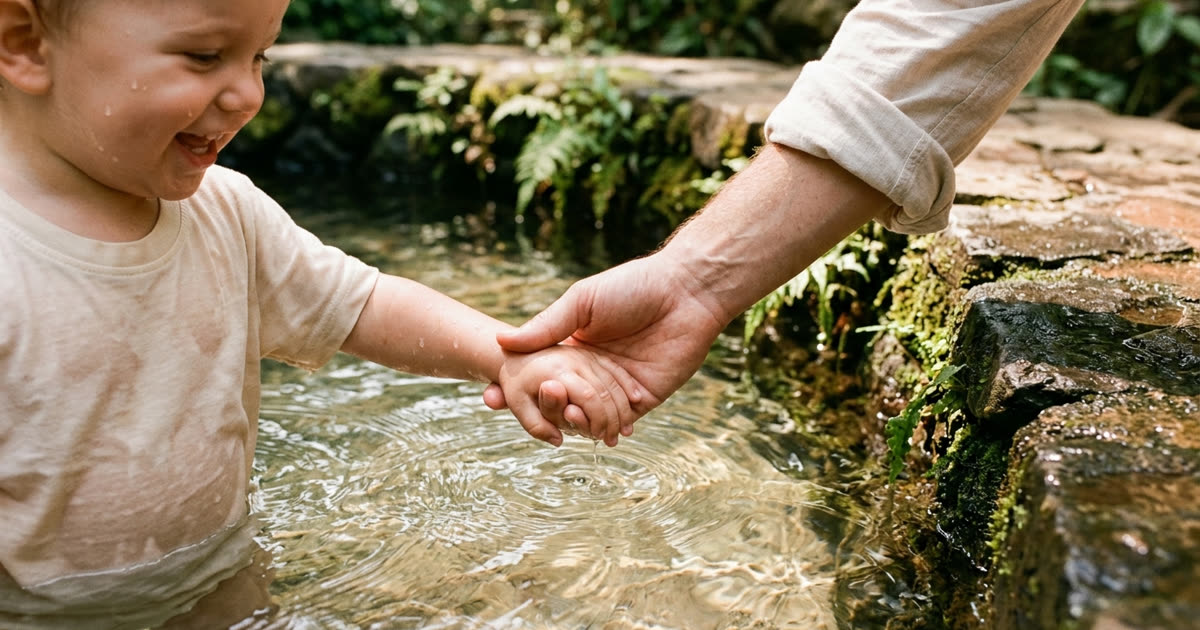
The holy springs at Pura Tirta Empul are for melukat, a quiet purification ritual, not a swim. Skip the water for toddlers and restless children, and watch from the courtyard instead. Families can visit the temple without anyone entering the pools.
The Reality of Temples in Bali
Pura Tirta Empul sits in Tampaksiring, in the hills north of Ubud — about 30 to 40 minutes by car when traffic is light. Balinese Hindus have used the spring here for melukat (ritual purification) since the 10th century. The name means holy water that comes from the ground. The temple is dedicated to Vishnu. It is a working place of worship, and one of the most visited courtyards on the island.
Families driving up from Canggu, Seminyak, or Sanur picture a quiet stone pool and a family blessing. What they get by late morning is a line of wet sarongs and a shivering kid who wants out. Ubud traffic on the Tampaksiring road will eat your buffer if you leave late. The spring is still there. Incense still hangs in the outer courtyard, and carp still move under the pond. None of that is a swimming lesson.
A presidential guesthouse sits on the hill above, built in the 1950s for Sukarno. Nearby, Gunung Kawi holds 11th-century rock-cut royal tombs at the bottom of a long stair. Both belong to the same valley. Neither is a toddler circuit.
What families get wrong: treating the petirtaan (bathing pools) like a water park, and arriving in the heat with no dry clothes. The ritual is not the only reason to come. You can have a calm, useful morning here without anyone getting wet.
What to Look For
Whether to skip the water
The public pools are about waist-deep for an adult, which means chest or neck on a small child. The stone underfoot is wet and uneven. The water is spring-cold even on a hot day, and the spouts hit with real force.

A toddler who wriggles or panics in cold water should stay on the edge. Skipping the water is the right call, not a failed visit.
Some spouts are reserved (usually the last ones in the line) and visitors skip those. Watch who is already in the water and follow their order.
Crowd, light, and time of day
Early morning is the version worth having. The split gate (candi bentar) is still in shade. The outer courtyard, jaba pura, is quiet enough that you hear the water before you see it. The bathing courtyard, jaba tengah, has space to stand without being jostled.
By mid-morning the tour groups arrive from Ubud. The line at the spouts stretches, and the stone gets slicker, especially in rainy season. The light goes hard and white. A wet, shivering child in a queue is a different morning than the same child watching carp ten minutes later.
If you can only change one thing, change when you arrive.
Dress, changing, and what to carry
Everyone entering the temple wears a sarong and sash that cover the knees. Shoulders stay covered in the courtyards. Children old enough to walk independently should wear the same. If you might go in the water, put swimwear on underneath.
Sarongs for the courtyards, and a wet sarong for the pool, are available at the gate. Changing space and lockers are on the grounds. Use them, and do not change in the courtyard.
Bring a towel each, a full dry change, a bag for wet cloth, grippy sandals, a hat for courtyard time, drinking water, and snacks for after. There is parking off the main road for cars and scooters. Budget for an entrance ticket and any sarong or locker hire. Fees change, so confirm at the gate on the day — this guide reflects September 2026 conditions.
The respect rules that actually matter
This is a temple, not a set.
Menstruating women, anyone who is ill, and recently bereaved family members traditionally stay out of the inner sacred areas. Wait in the outer courtyard.
Do not photograph people mid-ritual, and ask before you photograph anyone.
Do not let children run or treat canang sari (daily flower offerings) as toys. Keep voices down near people who are praying.
A guide is not required — a calm adult who has read the sequence is enough. If you want one, hire at the temple and let them lead the ritual, not the photo.
The inner sanctum (jeroan) is for worship, so families belong in the outer and middle courtyards. Stop where the boundary is obvious.
How much energy you have left
A courtyard walk plus time at the fish pond is enough for most families with young children. Adding the ritual adds wet clothes and cold. Adding Gunung Kawi the same morning adds a long stair descent. Pick one demanding thing. Do not stack cold water and stairs into one morning with a three-year-old.
If the child is not going in, the fish pond beside the main courtyard is the part they will remember. The pond has shade and carp to watch.
Practical Tips
- Decide at the pool edge, not in the car park. Walk the courtyards first. If the line is long or your child is already fraying, skip the water.
- Arrive as early as visitors are allowed that day. Confirm on the morning you go — times listed online go stale.
- Wear swimwear under your clothes if there is any chance you are going in.
- Skip reserved spouts. If you are unsure which, copy the person ahead or ask an attendant.
- Plan 45 to 90 minutes. Longer only if kids can wait through the full line of spouts.
- Bring cash in small notes for the gate.
- Skip the stroller — wet stone and steps are easier with a carrier.
- Get kids dry and dressed before they cool down in the shade.
- The way out often runs past souvenir stalls. Keep small hands on you.
A Conscious Note
Pura Tirta Empul is not a backdrop, and melukat is not content. It is a living temple the community around Tampaksiring still uses. Pay the entrance fee without bargaining, and wear the sarong properly. Keep your children off the offerings and out of the way of people who came to pray. If you buy something on the way out, buy from the stalls that sit there every day. The exit path runs through those stalls. That is a small return for walking through someone else's sacred courtyard.
Quick-Reference FAQ
Can our kids go in the holy springs, or should we skip the ritual? Skip the water with toddlers and restless kids, and watch from the courtyard instead. Melukat is a purification ritual, not a swim. Families can visit Pura Tirta Empul without anyone entering the pools.
What should we wear and bring? A knee-covering sarong and sash for the temple, swimwear underneath if you might enter the water, plus towels, a full dry change, a wet bag, and grippy sandals. Changing space and lockers are on site. Confirm ticket and hire fees at the gate.
Is it worth combining with Gunung Kawi the same morning? Only if your children still have legs after the temple. Gunung Kawi is close, and the rock-cut tombs deserve their own visit, but the stair descent is a separate physical job. With young kids, do one or the other. The stair at Gunung Kawi is a long descent with no shortcut back up.
Get the weekly Bali family digest
Events, new guides, one seasonal tip. No spam.
One email a week. Unsubscribe anytime.
Related Articles
Trusted Bali family partners
Rumah Rabbit Bali
MungguRumah Rabbit is a relaxed, home-based art studio in Munggu where children from about 3 years old up to teens explore painting, drawing, c…
View partner →Bali Arthouse
UmalasBali Arthouse is an art café and community space in Umalas. Pick a creative activity from the daily art menu and settle in with a coffee,…
View partner →Everytuft Bali
CangguA hands-on tufting studio in Canggu where kids, teens and adults make their own rug from scratch. Pick one of their designs or bring your…
View partner →