Prenatal Care in Bali 2026: Finding an OB-GYN You Trust | Knowmads Bali
Need personalized advice for your Bali journey? Ask our AI Bali Mom—expertly trained by parents with 10+ years on the island.
Start Chatting →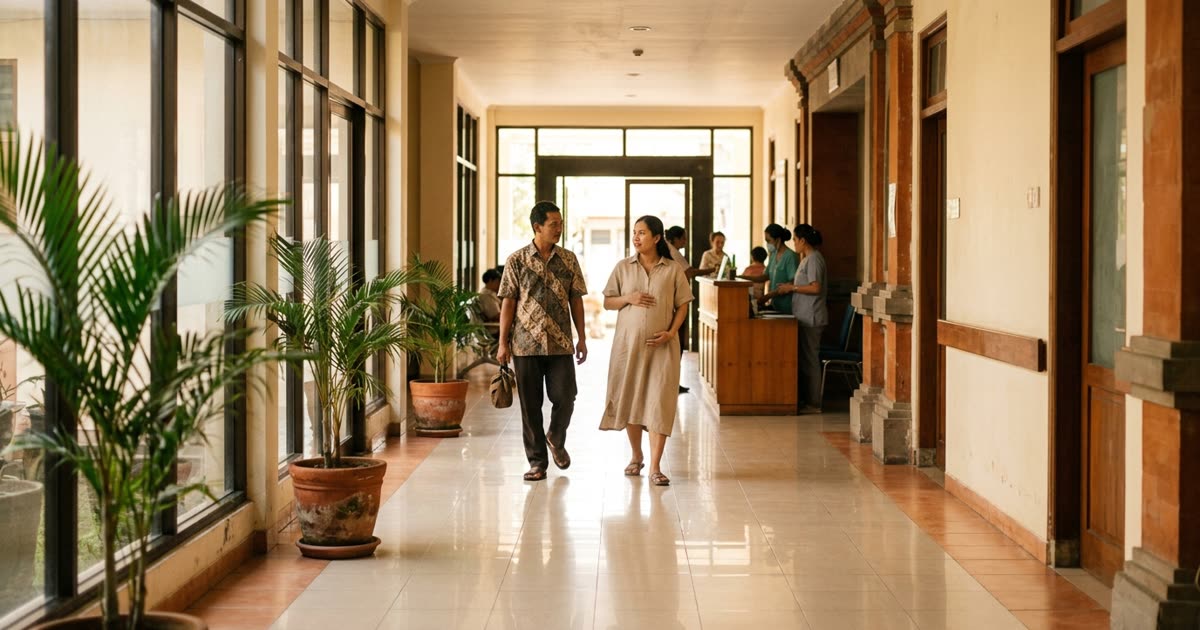
Featured Snippet Lead
For prenatal checkups in Bali, trust a private international-style hospital's obstetrics department — BIMC Hospital or Siloam Hospitals Bali — or a standalone OB-GYN clinic, then find the individual dokter spesialis kandungan (SpOG) inside it who speaks your language and answers questions without rushing you, before you even think about where to deliver. RSUP Sanglah in Denpasar is the public referral hospital for complex or high-risk cases. Book your first consult by week 8-10, ask about English fluency and NICU or emergency backup before you commit, and confirm current details by phone — Bali's healthcare landscape shifts every few months, so treat specifics here as current only as of August 2026.
⚠️ Warning: Regulations, insurance rules, and facility offerings change often in Indonesia. Always verify current requirements with a licensed consultant, your embassy, or the hospital directly — don't rely on any single article, including this one, for medical or legal decisions.
The Reality of Pregnancy in Bali
Here's what nobody tells you before you move: prenatal care in Bali is genuinely good, but it's not organized the way it is back home. Figuring out how it works is half the stress.
Newcomers usually make one of two mistakes. The first is assuming "Bali" means one healthcare system. It doesn't. You're choosing between public referral hospitals (built for volume, Indonesian-language-first), private international-style hospitals (English-speaking staff, higher cost, often the better fit for foreigners), and independent OB-GYN clinics (personal, often cheaper, equipment varies). The second mistake is picking a doctor off Instagram or a Facebook group post and never asking the question that actually matters: what happens if something goes wrong at 2am?
Most healthy, low-risk pregnancies do fine here with routine care nearby. But Bali's OB-GYN density sits in the south: Denpasar, Kuta, Sanur, Canggu, Jimbaran. Live in Ubud, Amed, or further out, and you're looking at a 45-90 minute drive to every appointment, longer if traffic is bad or labor starts at the wrong time. That commute isn't a footnote. It should shape where you choose to live for your third trimester.
What to Look For
Language and communication fit
Your OB-GYN doesn't need to be a native English speaker, but you need to be certain you can describe symptoms accurately and understand instructions without a language gap during an emergency. Ask for a consultation in the language you're most comfortable in before booking a full package. If you're more comfortable in Mandarin, Russian, German, Spanish, Arabic, or Indonesian, ask specifically. Don't assume "the hospital sees foreign patients" means your language is covered.
Credentials and specialization
In Indonesia, a qualified obstetrician carries the title SpOG (Spesialis Obstetri dan Ginekologi) after their name. That's the credential to look for: it confirms registration as a specialist, not a general practitioner doing obstetrics on the side. For a higher-risk pregnancy (multiples, prior C-section, gestational diabetes, advanced maternal age), ask directly whether the doctor is a maternal-fetal medicine subspecialist or a general SpOG. The two are not the same, and it matters.
Facility tier and emergency backup
This is the question that actually protects you: if your OB-GYN's clinic doesn't have 24/7 delivery capacity, ask exactly which hospital they refer to for delivery and emergencies, and how that handoff works. Bali has a range of options: general private hospitals with obstetrics departments (including BIMC Hospital and Siloam Hospitals Bali), and RSUP Sanglah in Denpasar, the island's main public referral hospital for complex or high-risk cases. Call each facility directly to confirm current NICU level, ambulance response, and whether your insurance or payment method is accepted. Availability changes month to month, so don't plan around anything you haven't verified in the last few weeks.
Insurance and payment reality
Ask upfront whether the clinic bills your international insurer directly or requires you to pay and claim reimbursement yourself. This single detail decides whether a delivery is a paperwork headache or a cash-flow crisis. Get it in writing, not a verbal answer.
Practical Tips
- Book your first prenatal visit by week 8-10, even if you feel fine. Early scans catch things later scans can't undo.
- Visit the actual delivery ward before you're in labor, not after. A clinic can be lovely and still refer out for delivery: know where you'll actually give birth.
- Keep a physical folder (not just phone photos) of every scan, lab result, and blood type record. Transfers between providers here are common, and paper still gets requested.
- If you're on a nomad or business visa — Indonesia's B211A visit visa runs 60 days and is typically extendable — check now whether your visa type or insurance affects hospital billing. Ask the clinic's admin desk directly: this varies and changes.
- Save the direct phone number of your OB-GYN and your backup hospital's emergency line in your phone under a name you'd recognize at 3am, not just "Dr. [name]."
- If your pregnancy is high-risk in any way, get a referral to a maternal-fetal medicine subspecialist early. Don't wait for a complication to force the conversation.
- Reconfirm every "yes, we take that insurance" and "yes, we have NICU capacity" answer close to your due date. Staff, equipment, and partnerships change over months.
A Conscious Note
Bali's healthcare workers (nurses, midwives, administrative staff) are professionals building careers, not a convenience laid on for foreign residents. Choose facilities that treat their Indonesian staff fairly, pay on time, and invest in training, and say so in your reviews: that feedback shapes how facilities are run. Balance private international care with real respect for the public system that serves the vast majority of Balinese families every day. It's the backbone of the island's health infrastructure, not a backup plan, and it deserves to be talked about accurately.
Quick-Reference FAQ
Do I need a referral to see an OB-GYN in Bali? You do not need a referral to see an OB-GYN in Bali as a foreigner. Most private clinics and hospitals accept direct bookings without one. A referral matters more only if you're moving between facilities mid-pregnancy or need a maternal-fetal medicine subspecialist.
Can I use my international health insurance for prenatal care in Bali? International health insurance is often accepted for prenatal care in Bali, but whether it's direct billing or reimbursement varies by provider and by facility. Confirm the exact process with both your insurer and the clinic before your first paid visit, and get the answer in writing.
How early should I choose where I'll deliver, not just where I get checkups? Foreigners should decide where they'll deliver by their second trimester, since the checkup clinic and the delivery hospital aren't always the same place. Ask your OB-GYN directly which hospital they'd refer you to for delivery, then go visit that hospital yourself before you're in labor.
Get the weekly Bali family digest
Events, new guides, one seasonal tip. No spam.
One email a week. Unsubscribe anytime.
Related Articles
Trusted Bali family partners
Wildflwr
KedunguWildflwr is a beautifully curated boutique in Kedungu, Bali's laid-back surf village on the west coast, offering handpicked clothing, acc…
View partner →Pippa & Luca
Canggu / UmalasDiscover Pippa & Luca, a delightful children's boutique in Canggu and Umalas, Bali, where charming clothes and accessories await your lit…
View partner →Berawa Luxe
Canggu20% off online and offline
View partner →