Embracing the 'Slow Schooling' Philosophy
Need personalized advice for your Bali journey? Ask our AI Bali Mom—expertly trained by parents with 10+ years on the island.
Start Chatting →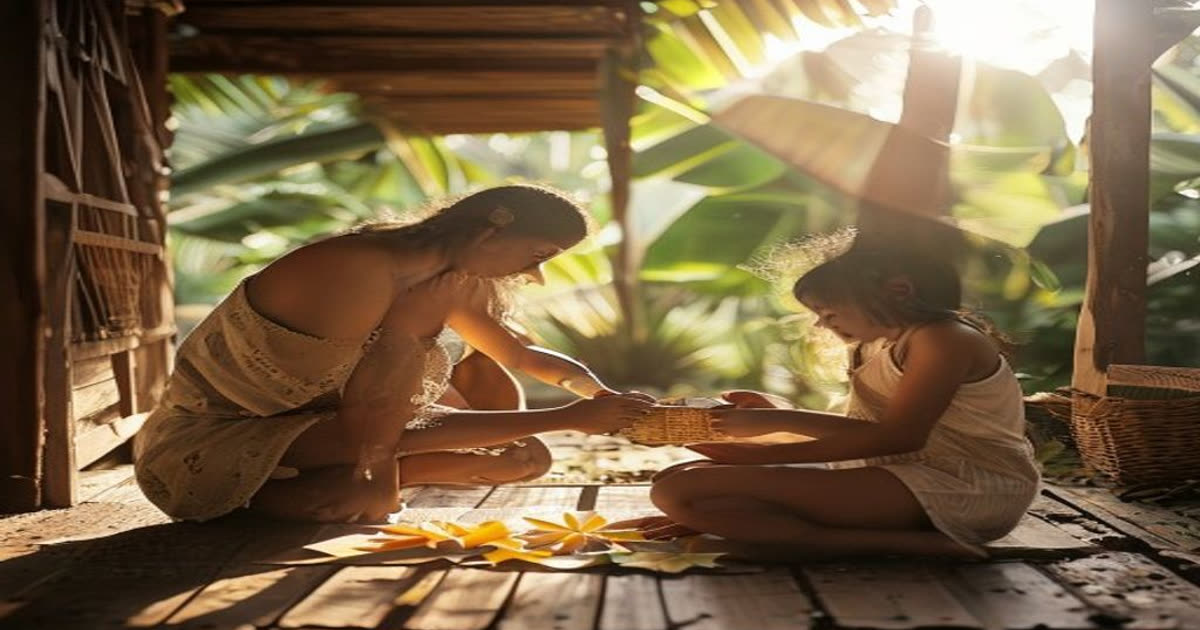
Uluwatu 2026: The Rise of 'Slow Schooling' and Why Nomadic Parents are Choosing Regenerative Education
Uluwatu's sunsets. The rhythm of the waves. The vibrant Balinese culture. It's a siren song for location-independent professionals, digital nomads, and families seeking a richer, more meaningful lifestyle. But as the community grows, a critical question arises: what about education? For many nomadic parents, the traditional international school model no longer resonates. They're seeking something different, something deeper – Regenerative Education, and a philosophy of Slow Schooling that's taking root in Uluwatu and beyond. This isn't just about academics; it's about fostering passionate, conscious, and resilient global citizens, deeply connected to themselves, their community, and the planet.
Embracing the 'Slow Schooling' Philosophy
The frenetic pace of traditional education – standardized tests, rigid curricula, and an overemphasis on achievement – simply doesn't align with the values of many nomadic families. 'Slow Schooling' offers a refreshing alternative. It prioritizes depth over breadth, fostering a love of learning through exploration, play, and genuine connection. It acknowledges that children learn at their own pace, and that forcing them into a predetermined mold can stifle their creativity and intrinsic motivation.
In Uluwatu, this translates into a shift away from exam-driven academies and towards community-based learning, unschooling co-ops, and personalized mentoring. Think smaller groups, project-based learning centered around real-world issues, and opportunities for deep immersion in Balinese culture. For instance, instead of memorizing facts about rainforests, a 'Slow Schooling' approach might involve a hands-on project creating Permaculture garden system in a rural village, learning about local flora and fauna from Balinese elders.

Here are some practical ways to integrate Slow Schooling into your nomadic life in Uluwatu:
- Embrace Unstructured Time: Resist the urge to over-schedule your child's day. Allow ample time for free play, exploration, and spontaneous learning experiences.
- Follow Their Interests: Observe what truly captivates your child and create learning opportunities around those passions.
- Engage with the Local Community: Take Balinese cooking classes, learn traditional crafts, or volunteer at local organizations. These experiences offer invaluable cultural immersion and help children connect with the community.
- Document the Journey: Create a portfolio of your child's work, experiences, and reflections. This will serve as a tangible representation of their learning journey and highlight their unique talents.
Regenerative Education: Cultivating Changemakers
Regenerative Education goes beyond simply sustainable practices; it focuses on healing and revitalizing ecosystems, communities, and individual potential. It's about empowering children to become active participants in creating a better future.
In the Uluwatu context, Regenerative Education might involve:
- Learning about Permaculture and Regenerative Agriculture: Participating in workshops on growing organic food, restoring degraded land, and supporting local farmers. This could involve working directly on a permaculture farm, understanding the interconnectedness of soil health, water management, and biodiversity.
- Exploring Balinese Spirituality and Traditional Healing Practices: Learning about the Balinese philosophy of Tri Hita Karana (harmony between humans, nature, and the divine), engaging in meditation and mindfulness practices, and understanding the importance of spiritual connection in personal and planetary well-being.
- Developing Design Thinking and Problem-Solving Skills: Tackling real-world challenges facing the Uluwatu community, such as plastic pollution or sustainable tourism, through collaborative projects and innovative solutions.
- Fostering Empathy and Social Justice: Engaging in conversations about global issues, learning about different cultures and perspectives, and developing a sense of responsibility for creating a more equitable and just world.
Specific examples of regenerative education initiatives gaining traction in the Uluwatu area include community gardens focused on food security. These initiatives not only teach valuable agricultural skills but also foster a sense of community and connection to the land.
Beyond the Classroom: Uluwatu as a Living Learning Lab
Uluwatu itself is a powerful educational resource. The ocean offers opportunities to learn about marine biology, surfing, and sustainable fishing practices. The rice paddies provide insights into traditional farming techniques and the interconnectedness of ecosystems. The vibrant art scene fosters creativity and self-expression.
Nomadic parents can leverage these opportunities by:
- Organizing Field Trips: Explore local temples, visit organic farms, and participate in beach cleanups.
- Connecting with Local Experts: Invite Balinese artists, healers, or farmers to share their knowledge and skills with your children.
- Creating Learning Projects: Encourage your children to document their experiences through photography, writing, art, or video.
- Embracing Unstructured Exploration: Allow your children to wander, discover, and connect with the natural world on their own terms.
Remember that learning doesn't have to happen within the four walls of a classroom. The world is your classroom, and Uluwatu offers a particularly rich and inspiring learning environment.
Building a Regenerative Education Community in Uluwatu
The shift toward 'Slow Schooling' and Regenerative Education in Uluwatu is still in its early stages, but the momentum is growing. To support this movement, we need to:
- Create a Network: Connect with other nomadic parents who share similar values and are interested in collaborating on educational initiatives.
- Support Local Educators: Partner with Balinese teachers and mentors to develop culturally relevant and regenerative learning experiences.
- Advocate for Change: Encourage existing schools and organizations to adopt more holistic and regenerative approaches to education.
- Share Resources: Create a resource directory of regenerative education programs, initiatives, and mentors in Uluwatu.
By working together, we can create a thriving regenerative education community in Uluwatu that empowers children to become conscious, compassionate, and resilient global citizens.
Ready to join the movement? Contact us to learn more about Regenerative Education initiatives in Uluwatu and how you can get involved. Share this post with other nomadic parents in Bali using the hashtags #RegenerativeEducation #SlowSchooling #Uluwatu #NomadicFamilies #KnowmadsBali and let’s build the future we want to see.
Get the weekly Bali family digest
Events, new guides, one seasonal tip. No spam.
One email a week. Unsubscribe anytime.
Related Articles
Trusted Bali family partners
Malinki School
KerobokanMalinki School is a nurturing international school in Kerobokan, Bali, offering a creative, child-centred curriculum that blends global l…
View partner →Open Flow
Lukluk (Mengwi)Open Flow is a nature-based school in Lukluk (Mengwi) for children aged 2–12, weaving Steiner, Montessori, Reggio Emilia and forest-schoo…
View partner →Empathy School
UbudEmpathy School is a heart-centred learning community nestled in the lush hills of Ubud, offering immersive programs that nurture emotiona…
View partner →