Bali Villa Snakes 2026: What to Do
Need personalized advice for your Bali journey? Ask our AI Bali Mom—expertly trained by parents with 10+ years on the island.
Start Chatting →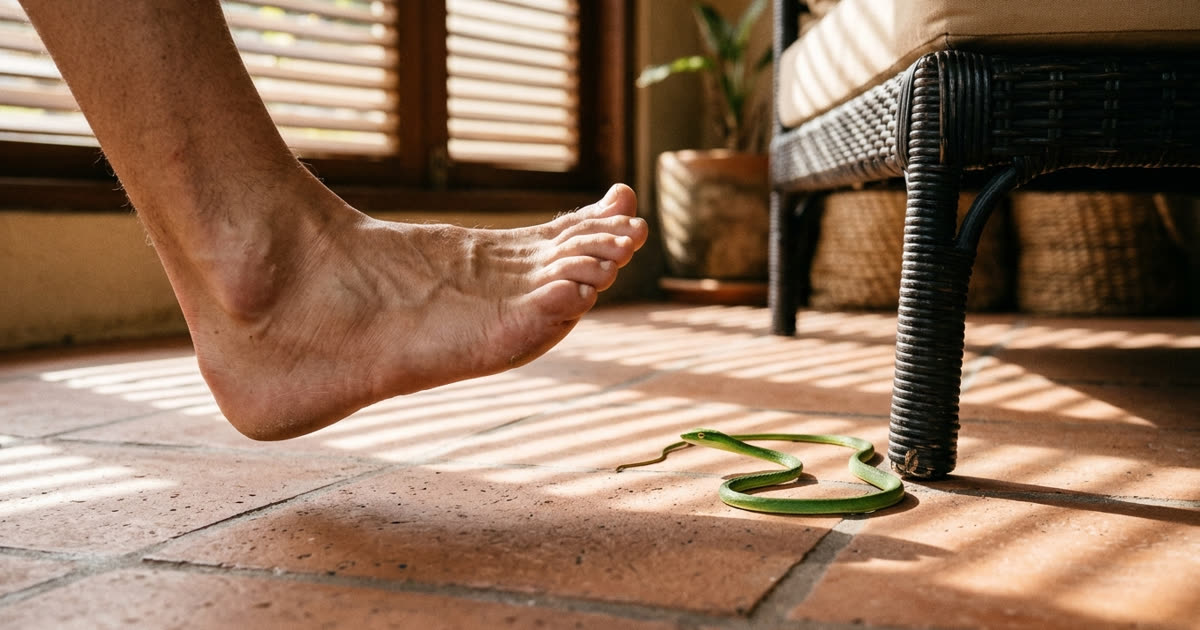
Yes, treat it as dangerous until proven otherwise: a cobra or viper bite in Bali is a medical emergency, even though most garden snakes are harmless look-alikes and guessing which one you've found is never safe. Move the kids inside calmly right now, keep the snake in view from a safe distance, and call a professional snake catcher or your villa's security team immediately. Don't approach, corner or try to kill it yourself.
The reality of snakes in Bali
Bali has dozens of snake species. Most want nothing to do with you, your kids or your villa. A rat snake sunning itself on a wall isn't a crisis. But a handful (cobras, kraits, vipers) can cause serious harm, and they live in the lush, insect-and-rodent-rich gardens that make a Bali villa feel like paradise in the first place.
Two mistakes catch newcomers out. The first is panic: grabbing a stick, cornering the snake, trying to kill it. Most bites happen this way — a startled snake defending itself against a person or a dog, rather than a snake hunting anyone. The second mistake is complacency: assuming that because you haven't seen a snake in six months, your property isn't snake territory. Properties backing onto rice paddies or canals around Canggu and Ubud sit on a natural snake corridor, season after season, whether you've spotted one yet or not.
What to look for

The few species worth worrying about
You don't need to become a herpetologist, but a couple of behavioural cues matter more than colour. A snake that flattens or widens its neck when it notices you, or holds its ground instead of fleeing, is behaving like a cobra. Treat it as one. A short, thick-bodied snake with a blunt head moving sluggishly during the day can be a viper. If you can't tell, that uncertainty is the answer: back off and call someone who can.
Where they actually turn up
Snakes follow food and shelter. Compost heaps, stacked firewood, loose roof tiles, pool pump rooms and drainage culverts are the real hotspots, far more than open lawn. Gardens that border rice fields or thick vegetation simply sit inside the snake's existing home range, which is why they see more traffic.
DIY capture vs. calling a professional
There's only one judgment call to make yourself: is the snake somewhere with an obvious escape route (open garden, no kids nearby) or somewhere confined (a playroom, a pool deck, a corridor)? In the first case, giving it space and time to leave on its own is often enough. In the second, or anytime you're not sure, call for removal. Capturing, relocating or killing it yourself is never the right call, no matter how confident you feel.
If a snakebite happens
A bite is a medical emergency, full stop. What follows is general orientation, not medical training — if your insurer or villa offers a wilderness first-aid or snakebite course, it's worth doing before you need it, and in the moment, a doctor or emergency responder's instructions on the phone always override anything written here. Keep the person calm and still, keep the bitten limb below heart level, and get to the nearest major hospital immediately. Don't wait to identify the snake or try a home remedy first. Skip the tourniquet, skip cutting or sucking the wound, skip ice: current first-aid guidance treats these as outdated and potentially harmful. Sanglah Hospital in Denpasar is widely known as a major public referral hospital on the island; call ahead on the way if you can, let them know you're coming, and confirm they're ready to receive you rather than assuming. From that point, let the treating doctors direct care.
Practical tips
Build these habits before you ever see a snake:
- Keep grass, ground cover and anything near play areas trimmed low: tall grass is cover, short grass isn't.
- Store firewood, pots and garden tools a clear distance from exterior walls; the gap underneath is a favourite hiding spot.
- Screen or seal gaps around pool pump rooms, roof voids and drainage pipes.
- Close doors and screens around dusk, dawn and right after rain, when movement picks up.
- Keep a torch by the door for checking dark corners at night instead of walking in blind.
- Ask your villa manager who to call for snake removal on move-in day, not mid-emergency.
- Teach kids one rule and make it automatic: if they see a snake, back away and tell an adult. No poking or touching, and no photos up close.
A conscious note
Villa gardens in Canggu and Ubud sit on land that was rice paddy or jungle long before it had a pool. Every new fence and cleared plot pushes resident wildlife, snakes included, into a smaller shared space with people, which is part of why they turn up in gardens at all. Call for professional, humane relocation instead of killing: it's safer for everyone involved, and it leaves the animal somewhere it can keep playing its part in the local ecosystem. Managing compost and food waste cuts down the rodents that draw snakes in, which helps the wider ecosystem as much as it keeps your family safe. Passing a trustworthy snake-catcher's number to the next family in your compound costs nothing and saves them a frightening first encounter.
Quick-reference FAQ
Are cobras really a problem in Bali villas, or is that overblown? Cobras do live in Bali, including in the rice-paddy fringes around Canggu and Ubud, but an encounter inside a lived-in, well-maintained villa is uncommon. Most snakes spotted in a Bali garden turn out to be harmless species, not cobras. The safest approach is to treat every snake as potentially dangerous until a professional identifies it, rather than assuming either extreme.
Is it illegal to kill a snake in Bali? Possibly, and the safest assumption is yes: a number of snake species found in Indonesia carry some form of protected status, so killing or handling one can carry legal consequences on top of the physical risk of a bite. Rules and enforcement vary and change, so check with BKSDA Bali (the local wildlife agency) or a local lawyer if you need a definitive answer for your situation. Calling a professional snake catcher for removal instead is the safer choice on every count, legally, physically and for the animal.
What time of day should I be most careful? Snakes in Bali are most active at dusk, dawn and in the hours right after rain, when they move through gardens hunting food and shelter. A quick visual check over play areas and walkways before kids head outside during those windows costs nothing and catches most encounters before they happen.
Get the weekly Bali family digest
Events, new guides, one seasonal tip. No spam.
One email a week. Unsubscribe anytime.
Related Articles
Trusted Bali family partners
Sama Sama Store
SesehSama Sama Store is a charming boutique nestled in Seseh, one of Bali's most serene and authentic villages, offering a lovingly curated se…
View partner →Alive Wholefoods
Canggu / Umalas / KedunguAlive Wholefoods is one of the best-loved organic shops in Canggu, stocking everything from vegetables and snacks to ready-made meals, an…
View partner →Wildflwr
KedunguWildflwr is a beautifully curated boutique in Kedungu, Bali's laid-back surf village on the west coast, offering handpicked clothing, acc…
View partner →