Bali Villa Mold & Flooding 2026: What to Do
Need personalized advice for your Bali journey? Ask our AI Bali Mom—expertly trained by parents with 10+ years on the island.
Start Chatting →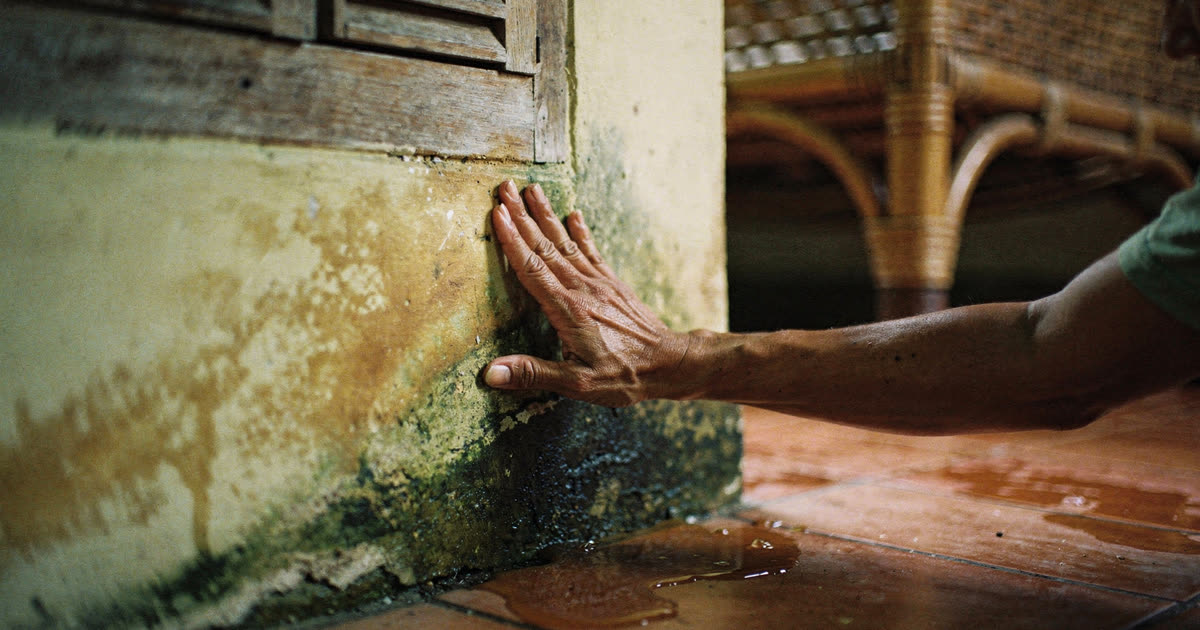
Is a flooded or moldy villa dangerous for kids right now?
Yes, a flooded or moldy villa can affect your kids' health — coughing, wheezing, skin rashes, eye irritation, especially in a closed-up room with damp walls or visible mold. The good news: it's manageable if you move fast. Get everyone out of the standing water first, then open the villa up and get it drying as quickly as you can. And put the damage in writing to your landlord as you go — structural causes are usually theirs to fix, while what happened to your own belongings is often a separate conversation.
The reality of rainy-season villa damage
Rainy season in Bali runs roughly October through March, and it catches newcomers off guard the same way every year: a damp patch under the window looks minor on day one and is a dark, fuzzy colony by day four. Bali's heat and humidity push mold growth faster than most people's home countries ever did. This isn't a "wait and see" climate.
Low-lying villa compounds built into old rice fields, like parts of Canggu and Pererenan, flood easily because the land was built to hold water, not shed it. Drainage that works fine in the dry season backs up fast once the rains start, and a villa a few meters below street level can take on water even when the storm wasn't dramatic.
Seasonal rainfall forecasts can help set expectations for the wet season as a whole — but they won't tell you whether your specific street floods on a given night. Local flooding comes down to drainage and elevation as much as rainfall totals.

The other thing newcomers get wrong: assuming the landlord will "just handle it" without anything in writing. Verbal promises evaporate once the water does. Treat the first conversation as the start of a paper trail, not a formality.
What to look for
Cosmetic damage vs structural damage
A wet floor that dries within a day and leaves no smell is often cosmetic—but sagging ceilings, recurring stains, or a musty smell that returns mean calling a tradesperson. Warning signs that you're dealing with something structural: ceilings that sag or bubble, or water stains that keep reappearing after cleaning. Wood that's swelling or delaminating, and a wet electrical panel, are red flags too. Structural issues need a tradesperson, not a mop.
How fast mold becomes a health issue
Mold doesn't wait for a convenient moment. In Bali's humidity, a damp patch that looked fine over breakfast can have a visible fuzz on it by the time you're making dinner — so don't let yourself plan to deal with it "this weekend." Kids seem to feel it before the adults in the house do, whether that's because they're down on the floor more or just haven't built up the same resilience yet. Either way, don't talk yourself out of a cough or wheeze that won't quit, eyes or a nose that clear up the second you leave the villa and come back the second you're home, or a rash nobody can explain. If it persists or gets worse, get your child seen by a doctor rather than waiting it out.
What your rental contract actually says
Before you have the "who pays" conversation, reread your lease's maintenance and force majeure clauses — terms vary from contract to contract, and this is a reading for a lawyer or notaris, not a guess over coffee. Many Bali villa leases put roof leaks, failed drainage and other structural fixes on the owner; damage to your own belongings is often handled case by case (sometimes split, sometimes not covered at all). Knowing which clause applies before you message your landlord makes the conversation faster and less adversarial — and if the wording is unclear or the damage is costly, get a professional read before you commit to a position.
Here's one simple way to think about costs, in three layers — without specific rupiah figures, which change too fast to quote here. Budget is same-week basics you can often handle quickly: fans and ventilation, detergent or vinegar cleans on hard surfaces, pulling up soaked rugs, tossing items that won't dry. Mid-range is hired help: a licensed electrician safety check after water near sockets, ceiling patch-and-paint, pumps or extra drying gear, or a short stay elsewhere if one room is unusable. Premium is major drainage or roof work, long stretches of alternative housing, or replacing big-ticket belongings—that's when leases, insurance and sometimes legal advice matter. Structural repairs are usually the owner's bill; soaked furniture, mattresses and electronics are often yours unless your policy covers them — but confirm this against your own lease rather than assuming it applies to you.
Practical tips
In the first 48 hours, this is roughly the order that matters. Cut the power before you wade in — if water's reached any socket or appliance, don't guess, just leave it off and get a licensed electrician to check it before you turn anything back on. Before you move or clean anything, photograph and video all of it, timestamped — that's your record for the landlord conversation and, if it comes to that, your own insurance.
Get the kids and pets out of the standing water and keep them out of the affected rooms until things are properly dry; floodwater carries more than it looks like it does. Open every window and door and get fans running non-stop — closed-up, humid rooms are exactly where mold takes hold fastest. Wet rugs and mattresses should come up immediately; they rarely dry fast enough to be worth saving, and they're usually the first place mold spreads. Check the corners and the backs of wardrobes for the earliest signs — small dark or fuzzy patches, not yet the obvious kind — and wipe hard surfaces down with detergent and water, or diluted vinegar. Save bleach for non-porous surfaces only, never wood finishes or fabric.
Message your landlord the same day, in writing, with photos attached. A paper trail that starts on day one matters far more than one that starts after the repair has already dragged past a week.
A conscious note
Rainy-season flooding and strained drainage are a shared island problem, not a reason to treat your landlord or your street as an adversary. Look first to local tradespeople and Balinese-run maintenance crews before defaulting to whichever expat-run fix-it service is loudest in a Facebook group. It keeps the work and the money inside the community dealing with the same rains. Look at your own footprint too. Keeping your gutters and drains clear of trash matters, because a blocked drain a few properties over is often where the next flood starts.
Quick-reference FAQ
Is it safe to stay in a villa with visible mold while we sort out repairs? If it's small and contained on a hard surface, it usually isn't an emergency — clean it, ventilate well, and check back in a few days. If it's spreading, or there's a musty smell that won't clear, move the family to a dry room or somewhere else for a few nights until it's sorted. Anything near where a baby sleeps, don't overthink it — just move them.
Who's responsible for flood damage, us or the landlord? It depends on your lease, and lease wording varies enough that this isn't a safe generalization to act on without reading your own. In many Bali villa contracts, owners cover structural issues like roof leaks and poor drainage, while tenants are often on the hook for their own belongings — but read your contract before you have that conversation, not during it, and if anything is ambiguous or the cost is significant, a quick check with a lawyer or notaris beats guessing.
How do we know if it's safe to turn the electricity back on after flooding? If water got anywhere near a socket or appliance, leave the power off until a licensed electrician has checked the installation. Don't flip it back on yourself — your landlord or property manager can usually help coordinate that check.
Get the weekly Bali family digest
Events, new guides, one seasonal tip. No spam.
One email a week. Unsubscribe anytime.
Related Articles
Trusted Bali family partners
Billie's
Kerobokan / Munggu / LombokBillie's is a shop with locations in Kerobokan, Munggu, and Lombok, offering a free bracelet from a selected range with a minimum spend o…
View partner →Hatiku Ubud
UbudHatiku Ubud is a beloved boutique nestled in the heart of Ubud, offering a curated selection of handcrafted Balinese goods, local artwork…
View partner →Sama Sama Store
SesehSama Sama Store is a charming boutique nestled in Seseh, one of Bali's most serene and authentic villages, offering a lovingly curated se…
View partner →