Bali Diapers 2026: Brands, Sizes & Prices
Need personalized advice for your Bali journey? Ask our AI Bali Mom—expertly trained by parents with 10+ years on the island.
Start Chatting →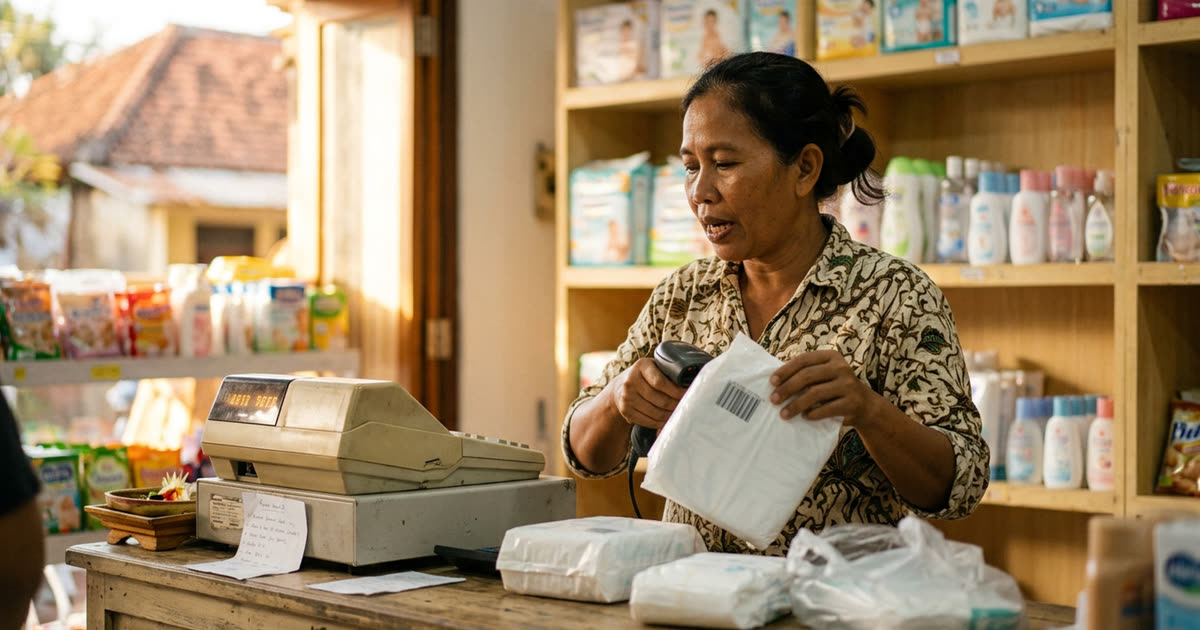
Bali Diapers 2026: Brands, Sizes & Prices
Buy diapers in Bali at supermarkets for the best everyday price, minimarkets like Circle K for emergency top-ups, and pharmacies for sensitive-skin or medicated options. Indonesia manufactures major local brands at real scale, and imported Japanese and European brands are stocked widely too — availability and sizing just shift by store and month. Mini-marts charge a markup for the convenience of being open anytime. Supermarkets carry the full range of local and imported brands at better per-diaper prices. Buy bulk only once you've confirmed your brand and size actually fit, because Bali stock runs inconsistent.
The Reality of Shopping in Bali
Newcomers usually make one of two mistakes. Either they assume diapers will be as easy to find as back home, same brands, same sizes, same shelf every time, or they panic and start hoarding the moment they land, filling a suitcase with diapers from their home country "just in case."
Neither reaction fits how this works. Diapers are not scarce here. Indonesia manufactures its own major brands at real scale, and international brands are imported and sold widely across Canggu, Ubud, Seminyak, and Sanur. What trips people up isn't availability, it's consistency. A specific size or brand can sell out at your usual shop and take a week or two to restock. Sizing also runs differently than you're used to: Asian-market sizing tends to run leaner for the same weight band than European or American sizing, so the size on the pack isn't always the size that fits.
The other adjustment: pricing isn't fixed the way it is at a big-box store back home. A minimarket charges more per diaper than a supermarket. A supermarket charges more than a bulk pack bought online. None of this is a scam. It's just how retail margins stack in a market with more small shops and fewer massive warehouse stores.
What to Look For
Local vs. imported brands
Indonesian-manufactured brands are cheaper and stocked everywhere, and quality is genuinely fine for daily use. Don't let the lower price tag make you assume lower quality. Imported brands (Japanese and European names you'll recognize) cost more, usually run thinner and more absorbent per layer, and are worth it for overnight use or a baby prone to leaks. A common approach is running two brands: a budget local brand for daytime changes and a premium import for overnight or travel.
Pack size and where you buy
- Small packs (minimarkets, convenience stores) — highest per-diaper cost, but open 24/7 and everywhere. Good for topping up, bad for your budget as a primary source.
- Medium packs (supermarkets) — the sweet spot for most families. Better unit price, still an easy weekly errand.
- Jumbo/mega packs (supermarkets, online) — lowest per-diaper cost by far. Worth the storage space if you have it and your baby's size is stable for a few months.
- Online marketplaces and grocery delivery apps — often the cheapest per-unit price, especially on jumbo packs, and worth checking before you commit to a size and brand. Delivery times vary, so don't rely on them for a same-day emergency.
Size — go by weight, not by age
Every brand prints a weight range on the pack, and that's what matters, not the age label. Because Asian sizing often runs leaner, buy one small pack of a new brand or size before committing to a jumbo pack. A baby who's a solid "M" in a European brand might need the next size up in a brand manufactured for the Indonesian market, and vice versa.
Skin sensitivity
Bali's heat and humidity mean rashes show up faster and heal slower than they might somewhere drier. If your baby has sensitive skin, choose fragrance-free, dye-free options — pharmacies are a better bet for these than general supermarkets, which tend to stock the mainstream lines first.
Practical Tips
- Buy one small pack before committing to a jumbo pack of a brand or size you haven't used. Sizing varies more than you'd expect, and jumbo packs aren't returnable once opened.
- Check both the weight range and the fit around the legs and waist. A diaper that's technically the right weight can still gap or dig in depending on your baby's build.
- Keep a small backup pack on hand at all times. Bali's humidity and traffic mean a "quick errand" can turn into an all-day trip, and stock gaps happen.
- Change more frequently than you might elsewhere. Heat and humidity make rashes develop faster, and a diaper that would be fine for a few more hours in a dry climate needs changing sooner here.
- Compare per-diaper price, not pack price, when brands offer different count sizes. The sticker price on a smaller pack can look cheaper while costing more per diaper.
- If your baby is prone to rashes, switch to a fragrance-free or sensitive-skin line before it becomes a recurring problem, not after.
- Stock up before Nyepi (Bali's Day of Silence, which falls in March or early April each year) and around major holidays, when shops close and streets are empty for deliveries.
A Conscious Note
Diapers are a genuinely heavy footprint for a family living here: plastic waste that doesn't have great disposal infrastructure on the island. Where you can, look into cloth diapering for at-home days (many families run a hybrid: cloth at home, disposable for outings and travel). Always dispose of used diapers properly rather than letting them end up in waterways or burned in open piles, which is still common practice in parts of Bali. Buying from local shops and Indonesian-owned minimarkets over exclusively ordering from international retailers also keeps more of your spending inside the local economy that's hosting your family.
Quick-Reference FAQ
Do diaper sizes in Bali match the sizes I'm used to at home? Not exactly. Go by the weight range printed on the pack rather than the size letter or age label, and buy a small test pack before committing to a jumbo pack of an unfamiliar brand.
Is it cheaper to buy diapers in bulk in Bali? Yes. Jumbo packs from supermarkets or online marketplaces have the lowest per-diaper cost by a wide margin. Minimarkets are the most expensive option and best reserved for emergency top-ups.
What should I do if my baby has a rash from the heat and humidity? Switch to a fragrance-free, dye-free diaper line, change more frequently, and let the skin air out when you can. If a rash persists or worsens, talk to a pediatrician rather than treating it yourself.
Get the weekly Bali family digest
Events, new guides, one seasonal tip. No spam.
One email a week. Unsubscribe anytime.
Related Articles
Trusted Bali family partners
Bali Artisan Baby
BerawaBali Artisan Baby is a beloved boutique in Berawa specialising in beautifully handcrafted baby and children's items — from soft toys and…
View partner →Billie's
Kerobokan / Munggu / LombokBillie's is a shop with locations in Kerobokan, Munggu, and Lombok, offering a free bracelet from a selected range with a minimum spend o…
View partner →EPIC
EPIC is a Bali-born kids clothing brand crafting beautifully soft muslin cotton pieces for babies and toddlers — lightweight, breathable,…
View partner →