Eating Out with Kids in Bali 2026: Safe, Affordable & Honest
Need personalized advice for your Bali journey? Ask our AI Bali Mom—expertly trained by parents with 10+ years on the island.
Start Chatting →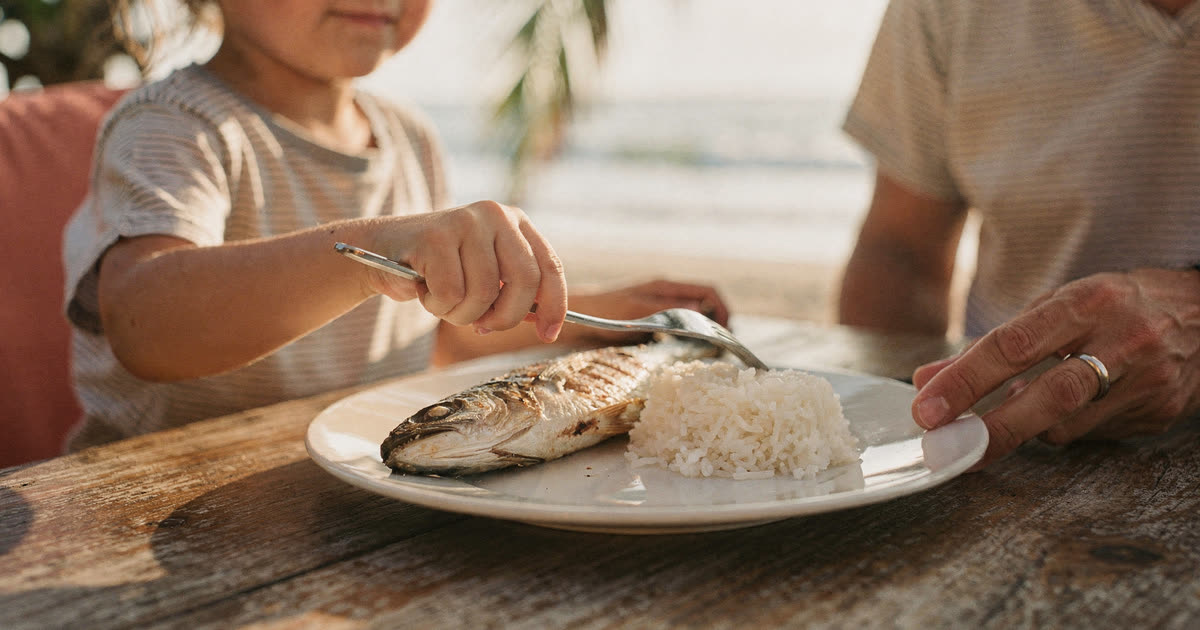
Eating Out with Kids in Bali 2026: Safe, Affordable & Honest
Yes, toddlers can safely eat at warungs and local restaurants in Bali — the key is water and ice, not the food itself. Choose busy warungs with visible kitchen turnover, order cooked-to-order dishes served piping hot, and skip ice at unlicensed spots. Tourist restaurants offer no meaningful safety advantage. They're just more expensive.
The Reality of Food in Bali
Most first-timers arrive with one of two wrong assumptions: either Bali is a food-poisoning minefield where only air-conditioned restaurants are safe, or it's paradise where you can eat anything without a second thought.
Neither is true.
Bali has an extraordinary range of food, from hole-in-the-wall warungs to rooftop restaurants, and most of it is fine. What causes the notorious "Bali belly" in children isn't usually the local nasi goreng. According to travel medicine research, up to 80% of traveler's diarrhea cases are caused by contaminated water or water-rinsed produce — not cooked food (Journal of Travel Medicine, 2023). That means it's ice made from tap water, raw salads rinsed in the same, or undercooked proteins sitting in tropical heat. These risks exist in Rp 50k warungs and Rp 300k tourist restaurants alike.
What actually protects your kid isn't the price point. It's visible kitchen hygiene, high food turnover, and your own informed instincts.
Experienced Bali expat communities note that local families eat out constantly here. They know which warung has been on the same corner for fifteen years and which roadside stall reheats chicken from the morning. That local knowledge is your best guide, and the expat community has done a lot of the fieldwork for you.
Vetted Places Worth Knowing
Monsieur Spoon — Canggu, Seminyak, Ubud
The expat gold standard for food safety. This French-owned bakery chain runs a visibly disciplined kitchen, and you can often see directly into it. Croissants, sandwiches, fresh juices. Nothing sits out. Ingredients rotate fast because the place is perpetually busy. It's not cheap by Bali standards (expect Rp 80,000–150,000 per person), but it's the call you make when your toddler is already fighting a cold and you can't afford a gut issue on top of it. Expat parents bring newly arrived friends here on day one.
Shady Shack — Canggu
A plant-based spot with an allergen-aware, consistently clean kitchen. The menu is clearly labelled, the staff understand cross-contamination, and they take produce sourcing seriously. It's become a family staple not because it's fashionable but because it's never let anyone down. Smoothie bowls and grain dishes are reliably safe for small kids. Mains run around Rp 90,000–130,000. Busy without being chaotic.
High-Quality Local Warungs — Every Neighbourhood
Don't write off the warung. A family-run spot that's been on the same corner for a decade, with a busy lunch rush and a menu on a chalkboard, is often safer than a Seminyak fusion restaurant with a slow Friday afternoon. Experienced Bali families recommend looking for three things: high rice turnover (fresh-cooked, not sitting), a clean serving area, and locals eating there, not just tourists. Nasi campur, mie goreng, ayam goreng — cooked to order and piping hot. That heat is your friend. A full meal for two adults and a child will run Rp 60,000–100,000.
If It Goes Wrong: BIMC Hospital Kuta
Bookmark this now, before you need it. BIMC Hospital Kuta is the first port of call for food poisoning triage with children. It's international-standard, English-speaking, and equipped to handle paediatric dehydration quickly. Oral rehydration works for mild cases, but a toddler who's been vomiting for six hours needs IV fluids and a doctor. BIMC can provide that. There's also a BIMC clinic in Ubud and Nusa Dua. Have your travel insurance card and their number saved. Food poisoning in the tropics escalates faster than back home.
Pro-Tips: What the Locals Know
- Avoid ice at unlicensed spots. Ask: "Es batu dari air mineral?" (Is the ice from mineral water?) At established restaurants, usually yes. At a roadside drinks stall, maybe not.
- Cooked and hot beats raw and cold. A warung nasi goreng is safer than a tourist café salad made with tap-rinsed lettuce.
- Busy kitchens are safe kitchens. High turnover means nothing sits. A half-empty restaurant at 7pm is a yellow flag.
- Fruit you peel yourself is always safe. Banana, papaya, watermelon from a market, peeled at your villa: zero risk.
- Carry ORS sachets. Keep oral rehydration salts in your bag. Bali heat accelerates dehydration in small children even before a stomach bug hits.
- Check Google reviews for "sick" or "food poisoning" on any restaurant. Not foolproof, but it catches repeat offenders fast.
- Ask your villa host. Where do their staff eat lunch? That warung has been vetted more rigorously than any TripAdvisor list.
- Start probiotics three days before you arrive. According to paediatric travel health guidelines, daily probiotics begun three days before departure and continued throughout the trip can measurably reduce susceptibility to traveler's diarrhea in children. Keep giving them throughout the trip.
A Conscious Note
The best way to navigate food in Bali with kids is to build real relationships: with your warung owner, your market vendor, the woman who sells sate lilit at the night market. Bali's food culture is generous and proud. Return to the same spots, learn a few words, tip fairly. You'll eat better, and you'll actually get to know the place rather than just passing through it. The families running these small businesses are real, and your choices matter to them. Spend a little more where you can, leave honest reviews for places that earn them, and trust local knowledge over the international chains.
Quick-Reference FAQ
Is tap water safe for kids to drink or brush teeth in Bali? No — tap water in Bali is not safe for children to drink or use for tooth brushing. Always use bottled or filtered water for both. Most villas and hotels provide large refill dispensers, and experienced Bali families make a non-negotiable habit of using them every single time. Never give tap water directly to a child, even for rinsing after brushing.
What should I do if my toddler shows signs of food poisoning? Start oral rehydration immediately using ORS sachets or coconut water, and monitor closely. According to paediatric travel medicine guidelines, if there is no meaningful improvement within four to six hours — or if your child is under two years old — go directly to BIMC Hospital Kuta without waiting it out. Toddlers dehydrate far faster than adults in tropical heat, and IV fluids administered by a qualified doctor are sometimes the only safe path forward.
Are there Bali restaurants that cater specifically to kids with allergies? Yes — Shady Shack in Canggu is the most consistently reliable option for allergen-aware dining in Bali, with a clearly labelled menu and kitchen staff trained in cross-contamination awareness. Monsieur Spoon also clearly labels ingredients across all three locations (Canggu, Seminyak, Ubud). According to long-term expat families in the Bali community, for severe or life-threatening allergies, always call ahead and speak directly with kitchen staff rather than relying on menu descriptions alone — no matter how reputable the restaurant.
Get the weekly Bali family digest
Events, new guides, one seasonal tip. No spam.
One email a week. Unsubscribe anytime.
Related Articles
Trusted Bali family partners
Remix Juice Co.
CemagiRemix Juice Co. is a vibrant café in Cemagi, Bali, serving fresh-pressed juices, smoothie bowls, and wholesome food the whole family can…
View partner →Bo & Bun
SeminyakBo & Bun is a beloved Vietnamese-inspired café in the heart of Seminyak, known for its fresh pho, bánh mì, and wholesome bowls — exactly…
View partner →Parklife Bali
CangguParklife Bali is a spacious family spot in Canggu built around a beautiful garden and a great play area for kids — with extensive indoor…
View partner →