Baby Formula in Bali 2026: Cost, Shortages & Where to Buy
Need personalized advice for your Bali journey? Ask our AI Bali Mom—expertly trained by parents with 10+ years on the island.
Start Chatting →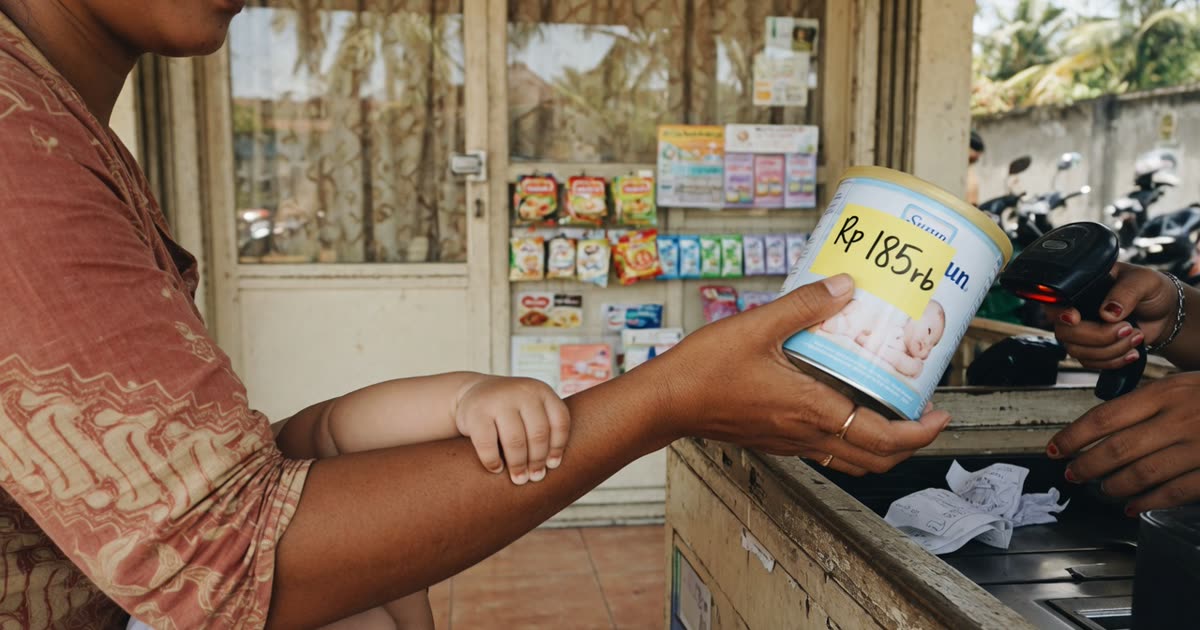
Featured Snippet Lead
Baby formula in Bali costs more than at home because trusted Western brands (Aptamil, Enfamil, Similac, S-26) are imported, adding duty and handling costs on top of retail price, and shipments run out within days, not weeks, regardless of demand. Experienced Bali expat parents recommend checking Pepito Market first, then Hero Supermarket, then BIMC Hospital's pharmacy — before ordering online or improvising with an untested brand.
The Reality of Baby Formula in Bali
Here's what nobody tells you before you land with a six-month supply and a false sense of security: that supply runs out, and Bali's formula shelf is not like the one back home.
Newcomers assume "supermarket" means "reliable." It doesn't, not for formula. A shipment of your baby's exact brand and stage can sell out within 3–5 days of hitting the shelf and not reappear for two to four weeks (a restock pattern Bali expat parent groups report consistently, as of 2026). That's not because Bali is short on baby formula generally. It's because the specific imported SKU you trust competes with a hundred other SKUs for limited shelf space and slower restocking than groceries back home.
The other thing newcomers get wrong: assuming price reflects quality, or that the most expensive option is automatically the safest. It isn't. Indonesian-made formula (think SGM, Morinaga, Bebelac, Lactogen) is cheaper because it isn't imported, not because it's inferior. Many are made to the same Codex Alimentarius infant-formula standards and are used by Indonesian pediatricians every day. If your baby tolerates a local brand, keeping one in rotation as backup is smart, not a downgrade.
What's genuinely different here: hypoallergenic and specialty formulas (amino-acid based, extensively hydrolyzed, like Neocate or Pepti-Junior) are scarce island-wide. If your child needs one, start now, not when you're down to your last tin.
Vetted Recommendations
Pepito Market
Pepito is the closest thing Bali has to a dedicated expat grocery chain, with branches across Seminyak, Berawa/Canggu, Umalas and Sanur, the areas with the highest concentration of international families. It usually has the deepest imported-formula selection on the island: Aptamil, Bebivita, Hipp, Nutrilon and similar European and Australian lines show up here before almost anywhere else. Stock still varies branch to branch, so call or WhatsApp the specific store before you drive across town and waste a trip.
Hero Supermarket
Hero is a national Indonesian chain with a real presence in Bali's bigger malls (Beachwalk in Kuta, Living World Denpasar, and others). It stocks local formula brands at everyday prices plus a rotating selection of imported ones, usually at a lower markup than boutique import stores because Hero buys at national retail scale. It's a good default stop for local-brand backup stock and a reasonable shot at imported basics. Less curated than Pepito, but often better value when it has what you need.
BIMC Hospital
BIMC (Kuta and Nusa Dua) is a private, international-standard hospital with pediatricians on staff and a pharmacy that can special-order or stock specialty formulas: the hypoallergenic, medically-indicated kind you won't casually find on a supermarket shelf. Special orders typically carry a 1–2 week lead time from off-island suppliers (as of 2026), so registering with a BIMC pediatrician before you need one urgently, not after, is what separates a smooth switch from a scramble. If your baby has reflux, a protein allergy, or another feeding issue, this is where you get an actual pediatric opinion on switching formulas safely, not a guess based on what's in stock that week.
Pro-Tips: What the Locals Know
- Keep a 2–3 week buffer, always. Experienced Bali families recommend this because shipping delays are the norm, not the exception. Running down to your last tin is how families end up improvising with a brand their baby's never had.
- Know two backup brands your baby already tolerates before you're desperate. Ask your pediatrician now which local or alternate imported formulas are safe substitutes, so you're not testing a new brand mid-shortage.
- Message the store before you drive. Pepito and most independent baby shops will confirm stock over WhatsApp. It's standard practice here, not an imposition.
- Join the parent Facebook groups. According to local expat communities, Bali's parent groups move faster than any store's stock system. Someone posts "Aptamil back in at Berawa" or offers to swap tins hours before it's common knowledge.
- Use Gojek/Grab for supermarket runs, not just food delivery. Both apps let you order from Hero and similar supermarkets, which beats a 40-minute cross-island drive on a hunch.
- Watch expiry dates on imported tins. Slower-moving imported stock can sit longer before it sells. Not dangerous if it's within date, but worth a glance, especially on discounted end-of-batch stock.
- Start specialty-formula sourcing early. If a pediatrician has flagged a hypoallergenic need, ask BIMC about lead times before you're down to days, not weeks.
A Conscious Note
Formula stress is real, and it's tempting to bulk-buy every time you find stock, clearing a shelf "just in case." Try not to. Other families are working from the exact same short supply, and a cleared shelf becomes someone else's 2 a.m. emergency. Buy what you reasonably need, share intel generously in the parent groups instead of hoarding it, and where your baby's needs allow, give local Indonesian brands a fair look instead of treating imported as the only acceptable option. It's often the more available choice, and it supports the same supply chain feeding Balinese families around you.
Quick-Reference FAQ
Why does imported baby formula cost so much more in Bali than at home? Almost every trusted Western brand arrives via import, which adds duty and handling on top of the manufacturer's price, and that markup is baked in well before the tin reaches a Bali shelf. Indonesian-made formula skips that layer entirely. That's the main reason it's cheaper, not a sign it's lower quality.
What do I do the moment my baby's usual formula is out of stock everywhere? Call Pepito Market directly rather than driving branch to branch, check Hero Supermarket's baby aisle for a same-tier alternative, and ask your pediatrician (or BIMC) for a pre-approved backup brand so you're not guessing under pressure. Experienced Bali expat parents recommend lining up that backup brand before a shortage hits, not during one.
Where do I go if my baby needs a specialty or hypoallergenic formula? Start with a pediatrician at BIMC Hospital. Specialty formulas like amino-acid or extensively hydrolyzed lines aren't reliably stocked on shelves and usually need to be special-ordered, typically with a 1–2 week lead time, so the earlier you start, the less likely you are to run out.
Get the weekly Bali family digest
Events, new guides, one seasonal tip. No spam.
One email a week. Unsubscribe anytime.
Related Articles
Trusted Bali family partners
Pippa & Luca
Canggu / UmalasDiscover Pippa & Luca, a delightful children's boutique in Canggu and Umalas, Bali, where charming clothes and accessories await your lit…
View partner →Jeremy Ley Artshop
CangguJeremy Ley Artshop is a colourful little shop on Batu Bolong in Canggu, full of prints, postcards, stickers, tote bags, ceramics, keyring…
View partner →Bali Bubs Kids Concept Store
UluwatuBali Bubs Kids Concept Store is Uluwatu's go-to boutique for stylish and practical children's wear, toys, and accessories, carefully cura…
View partner →