Tempat Menginap di Bali Bersama Anak 2026: Canggu vs Ubud vs Sanur
Butuh saran personal untuk perjalanan Bali Anda? Tanya AI Bali Mom kami—dilatih secara ahli oleh orang tua dengan pengalaman 10+ tahun di pulau ini.
Mulai Chat →
Postingan ini belum ada di repositori — mengoptimalkan markdown seperti yang diminta.
Tempat Menginap di Bali Bersama Anak 2026: Canggu vs Ubud vs Sanur
Canggu masih ramah keluarga di tahun 2026 — menginaplah di Berawa, bukan di area pesta Batu Bolong. Harganya memang lebih mahal ($150–300/malam untuk vila keluarga), tetapi tidak terlalu padat. Sanur lebih unggul untuk balita: airnya tenang, memiliki trotoar, dan tanpa hiruk-pikuk. Ubud adalah pilihan budaya yang lebih santai. Keputusan yang tepat sepenuhnya bergantung pada usia anak-anak Anda.
Realita Menginap di Bali Bersama Anak
Bali bukanlah satu destinasi tunggal. Bali adalah kumpulan kawasan mikro yang terasa sangat berbeda satu sama lain, bahkan terkadang hanya berjarak 10 menit berkendara. Keluarga yang memesan akomodasi hanya berdasarkan estetika Instagram sering kali berakhir di tempat yang salah.
Keluarga yang sudah berpengalaman di Bali mencatat bahwa pendatang baru sering mengulangi kesalahan yang sama. Mereka memesan vila di pusat Canggu tanpa menyadari bahwa jalan di depannya menjadi arena balap skuter pada jam 2 pagi. Mereka menyewa tempat di Ubud dengan pemikiran bahwa suasananya damai, lalu mendapati tingkat kelembapan yang tinggi, wisma dengan tangga yang curam, dan perjalanan satu jam menuju pantai yang layak. Mereka mengabaikan Sanur sepenuhnya karena tidak terlihat begitu dramatis di foto, lalu setelah tiba mereka heran mengapa hampir melewatkannya.
Menurut komunitas ekspatriat yang sudah lama tinggal di Bali, usia anak Anda adalah variabel tunggal yang paling penting. Anak berusia 7 tahun dan bayi berusia 7 bulan hampir tidak memiliki kesamaan dalam hal apa yang membuat sebuah tempat menginap di Bali cocok untuk mereka.

Rekomendasi Terpilih: Tiga Kawasan Utama
Canggu (Kawasan Berawa)
Berawa tidak sama dengan wilayah Canggu lainnya, dan perbedaan ini sangat penting. Berawa — area yang membentang dari Pantai Berawa menuju Pererenan — memiliki jalan yang (cukup) lebar, restoran keluarga yang layak dalam jumlah yang terus bertambah, sekolah internasional di dekatnya, dan pantai yang bisa direnangi di sebagian besar hari (periksa laporan ombak; ada alasan mengapa para peselancar menyukai Canggu).
Budaya kafe di sini sangat ramah keluarga. Anda akan menemukan kursi tinggi untuk bayi, menu anak-anak, dan meja yang cukup besar untuk kereta bayi. Pemandangan sawah belum sepenuhnya hilang. Harga vila telah naik — keluarga yang berpengalaman di Bali melaporkan bahwa vila yang sebanding di Berawa sekarang berbiaya sekitar 35–40% lebih mahal daripada tahun 2022; siapkan anggaran $150–300/malam (sekitar Rp 2,4–4,8 juta) untuk vila kolam renang pribadi dengan 2 kamar tidur yang layak. Anda mendapatkan ruang yang tidak dapat ditandingi oleh hotel.
Kemacetan adalah masalah yang sebenarnya. Jika Anda tidak menyewa skuter dan memiliki anak kecil, bepergian ke mana pun antara jam 5–7 sore bisa sangat melelahkan. Layanan Grab cukup bagus untuk sebagian besar perjalanan, tetapi kenaikan tarif (surge pricing) selama jam sekolah sangat terasa dampaknya.
Terbaik untuk: keluarga dengan anak berusia 4–12 tahun, pekerja lepas (remote worker) yang membutuhkan waktu di kafe, siapa saja yang menginginkan suasana sosial yang tidak sepenuhnya berisi pesta.
Sanur
Sanur adalah pilihan tersembunyi yang selalu dipilih oleh keluarga yang sudah dua kali ke Bali pada kunjungan kedua mereka. Pantainya terlindungi oleh terumbu karang, sehingga airnya sangat tenang dan aman untuk berenang, bahkan bagi balita. Terdapat jalur pejalan kaki beraspal di sepanjang pantai yang membentang beberapa kilometer, yang mungkin terdengar sepele sampai Anda mendorong kereta bayi saat matahari terbenam dan menyadari betapa langkanya infrastruktur seperti itu di Bali.
Kawasan ini lebih tenang, lebih tua, dan terasa lebih lokal. Restoran-restoran di sini telah berdiri selama 20 tahun dan tahu cara menyajikan makanan untuk anak berusia 5 tahun yang kelaparan pada jam 5:30 sore tanpa drama. Terminal kapal cepat menghubungkan Anda ke Nusa Lembongan dan Kepulauan Gili tanpa perlu menempuh perjalanan darat yang panjang.
Vila-vila berkisar antara $90–180/malam (sekitar Rp 1,4–2,9 juta) untuk ukuran ruang yang sama dengan yang berharga dua kali lipat di Canggu. Menurut komunitas ekspatriat lokal, Sanur selalu dianggap remeh padahal kawasan ini memberikan apa yang sebenarnya dibutuhkan keluarga, bukan sekadar apa yang terlihat bagus di foto. Konsekuensinya: kehidupan malam Sanur benar-benar sepi setelah jam 9 malam, yang bagi sebagian orang tua mungkin terdengar seperti surga.
Terbaik untuk: keluarga dengan bayi dan balita, siapa saja yang memprioritaskan keamanan pantai, pasangan yang menginginkan ketenangan dibanding sekadar tempat yang kekinian.
Ubud
Ubud memberikan kepuasan tersendiri bagi keluarga yang datang khusus untuk menikmati suasananya: terasering sawah, hutan monyet, kelas memasak, dan upacara adat yang bisa disaksikan langsung. Ubud terletak di pedalaman, lebih sejuk di malam hari, dan ritme kehidupannya lebih lambat dengan cara yang terasa disengaja, bukan sekadar sepi.
Namun Ubud menuntut sesuatu dari Anda. Jalanannya sempit dan berbukit-bukit. Tidak ada pantai (Sanur berjarak sekitar 45 menit berkendara saat lalu lintas lancar). Kelembapan selama musim hujan bisa sangat tinggi. Banyak wisma dan vila kecil dibangun di lereng bukit yang curam, sehingga tidak ideal jika Anda membawa balita.
Keunggulan Ubud adalah untuk anak-anak yang lebih besar yang dapat menikmatinya: berjalan-jalan di sawah, lokakarya kerajinan perak, menonton tari kecak saat matahari terbenam. Harganya juga jauh lebih murah daripada Canggu. Anggaran $60–150/malam (sekitar Rp 960.000–2,4 juta) sudah bisa mendapatkan sesuatu yang benar-benar indah. Keluarga yang berpengalaman di Bali merekomendasikan untuk memadukan Ubud dengan tempat menginap di dekat pantai daripada menjadikannya satu-satunya tempat pemberhentian — menginap dua malam di tengah perjalanan saja sudah bisa mengubah seluruh pengalaman liburan.
Terbaik untuk: keluarga dengan anak usia 6 tahun ke atas, perjalanan imersi budaya, menginap di musim yang lebih sejuk (Mei–September), orang tua yang aktif ingin menunjukkan kepada anak-anak mereka sesuatu di luar resor pantai.
Tips Pro: Apa yang Diketahui Warga Lokal
- Berawa ≠ Batu Bolong. Selalu tentukan bagian Canggu yang mana saat memesan. Hanya berjarak sepuluh menit, tetapi kawasannya benar-benar berbeda.
- Jalur pantai Sanur ramah untuk kereta bayi dari Pasar Sindhu hingga Matahari Terbit. Salah satu dari sedikit jalur pejalan kaki pesisir pantai yang beraspal dan rata di Bali.
- Jalanan di Ubud banjir selama musim hujan (Oktober–Maret). Jika Anda berkendara bersama anak-anak, siapkan waktu ekstra dan jangan memesan aktivitas dengan jadwal yang ketat.
- Periksa tumpang tindih liburan sekolah. Puncak liburan sekolah Australia (Juli, Desember) mendorong harga vila naik 30–50% di ketiga kawasan tersebut — manajer properti lokal secara konsisten menyoroti hal ini sebagai variabel terbesar yang sering diremehkan keluarga saat menyusun anggaran.
- Tanyakan kepada manajer vila Anda tentang klinik terdekat pada hari pertama, bukan setelah terjadi masalah.
- Foto "vila yang tenang" bisa menipu. Selalu periksa tampilan satelit Google Maps untuk melihat apa yang ada di balik sawah tersebut sebelum Anda memesan.
- Grab berfungsi lebih baik di Canggu dan Sanur daripada di Ubud. Di Ubud, menggunakan sopir panggilan atau menyewa skuter benar-benar lebih mudah untuk perjalanan seharian.
- Berawa memiliki supermarket Pepito. Ini terdengar sepele sampai anak Anda sakit pada jam 8 malam dan membutuhkan Pedialyte.
Catatan Kesadaran
Bali menerima lebih banyak keluarga, nomaden digital, dan pengunjung jangka panjang daripada sebelumnya, dan tekanan terhadap komunitas lokal, pasokan air, serta lahan persawahan sangatlah nyata. Keluarga yang meninggalkan kesan positif memilih vila milik warga lokal daripada resor bermerek, menyewa sopir lokal alih-alih mengandalkan aplikasi untuk setiap perjalanan, makan di warung beberapa kali seminggu, dan membiarkan anak-anak mereka melihat interaksi tersebut berlangsung. Masa tinggal Anda tidak harus bersifat ekstraktif. Tanyakan siapa pemilik vila tersebut sebelum Anda memesan. Satu pertanyaan itu akan mengubah ke mana uang Anda mengalir.
Tanya Jawab Referensi Cepat
Apakah Canggu aman untuk keluarga dengan anak kecil di tahun 2026? Canggu aman untuk keluarga dengan anak kecil di tahun 2026, terutama di Berawa dan Pererenan — kawasan yang konsisten direkomendasikan oleh keluarga yang berpengalaman di Bali dibandingkan Batu Bolong. Bahaya utamanya adalah lalu lintas: jauhkan anak-anak dari jalan raya saat berjalan kaki dan gunakan Grab untuk perjalanan di malam hari. Pantai memiliki ombak pecah di dekat pantai (shore break) yang tidak cocok untuk anak-anak yang sangat kecil saat ombak besar; periksa kondisi setiap hari. Jauh dari area bar, Berawa memiliki restoran keluarga, sekolah internasional, supermarket Pepito, dan komunitas keluarga yang tinggal lama yang membuat kawasan ini mudah dijelajahi sejak hari pertama.
Kawasan mana yang paling murah untuk keluarga dengan empat anggota? Ubud menawarkan nilai terbaik untuk keluarga dengan empat anggota di Bali. Vila pribadi dengan 2–3 kamar tidur yang dilengkapi kolam renang biasanya bertarif $60–130/malam (sekitar Rp 960.000–2,1 juta) — kira-kira setengah dari biaya vila yang sebanding di Canggu. Sanur adalah titik tengah yang ideal dengan tarif $90–180/malam (Rp 1,4–2,9 juta), dengan keuntungan tambahan berupa air laut yang tenang karena terlindungi terumbu karang dan aman bagi balita. Canggu (Berawa) adalah pilihan termahal, dengan vila ramah keluarga mulai dari $150 dan sering kali mencapai $300+/malam (Rp 2,4–4,8 juta+) — manajer properti setempat mencatat harga telah naik tajam sejak 2022 seiring meningkatnya permintaan dari keluarga yang bekerja jarak jauh.
Apakah kita bisa dengan mudah melakukan perjalanan seharian di antara ketiga kawasan tersebut? Perjalanan seharian antara Canggu, Sanur, dan Ubud memang praktis untuk dilakukan tetapi membutuhkan perencanaan yang realistis, terutama jika membawa anak kecil. Canggu ke Sanur memakan waktu sekitar 45–60 menit tergantung lalu lintas; Canggu ke Ubud berkisar 1–1,5 jam; Sanur ke Ubud sekitar 45 menit. Menurut komunitas ekspatriat lokal, keluarga yang membawa balita atau bayi secara realistis hanya bisa mengelola satu perjalanan seharian yang signifikan per tiga hingga empat hari masa menginap sebelum kelelahan melanda — waktu berkendara memang masih wajar, tetapi persiapan, gangguan waktu tidur siang, dan perjalanan pulang semuanya menumpuk jadi satu. Anak-anak yang lebih besar dapat mengatasinya dengan jauh lebih baik, dan menetap di pusat Sanur dapat memangkas waktu perjalanan ke Canggu maupun Ubud secara signifikan.
Disponsori · Penginapan keluarga pilihan
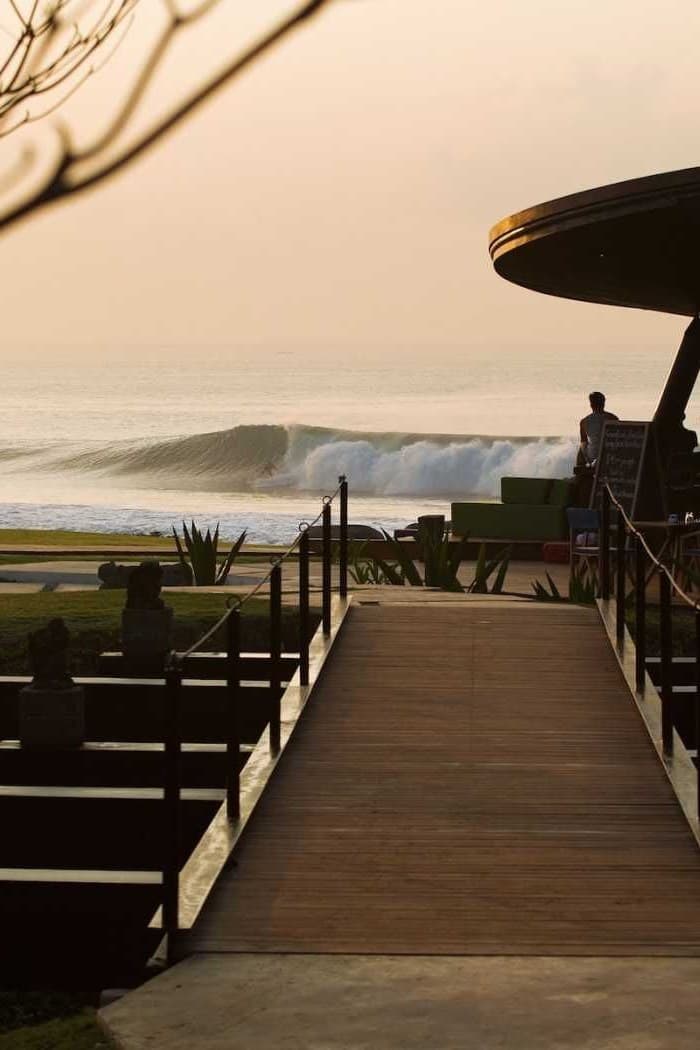
Base keluarga di tepi pantai KeramasFree Range Kids Club · kolam renang 25 m · pesisir timur Bali
Get the weekly Bali family digest
Events, new guides, one seasonal tip. No spam.
One email a week. Unsubscribe anytime.
Artikel Terkait
Mitra keluarga Bali tepercaya
Eva Scolaro Talent Studio
Canggu / SanurEva Scolaro Talent Studio adalah studio seni pertunjukan dan pengembangan bakat butik dengan lokasi di Canggu dan Sanur, yang membantu an…
Lihat mitra →Rumah Rabbit Bali
MungguRumah Rabbit adalah studio seni rumahan yang santai di Munggu, tempat anak-anak mulai dari sekitar usia 3 tahun hingga remaja bisa bereks…
Lihat mitra →Everytuft Bali
CangguStudio tufting langsung di Canggu, tempat anak-anak, remaja, dan orang dewasa bisa bikin karpet sendiri dari nol. Pilih salah satu desain…
Lihat mitra →