Pantai Paling Aman di Bali untuk Anak-anak 2026: Tenang, Bersih & Ramah Keluarga
Butuh saran personal untuk perjalanan Bali Anda? Tanya AI Bali Mom kami—dilatih secara ahli oleh orang tua dengan pengalaman 10+ tahun di pulau ini.
Mulai Chat →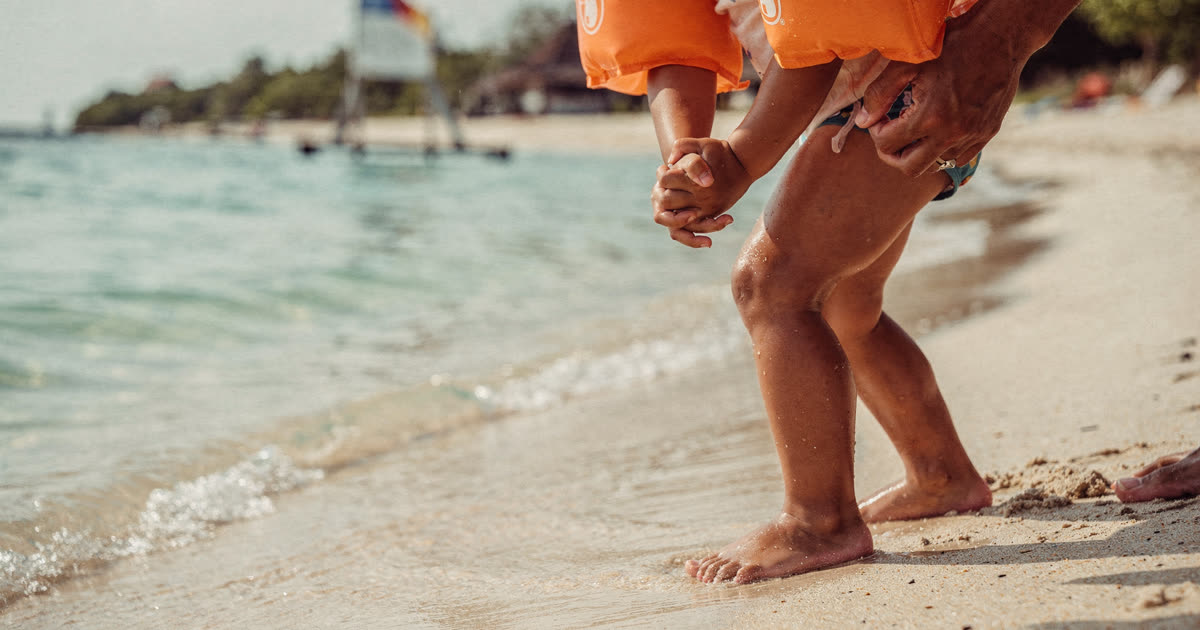
Pantai Paling Aman di Bali untuk Anak-anak 2026: Tenang, Bersih & Ramah Keluarga
Tiga pantai paling aman di Bali untuk balita pada tahun 2026 adalah Sanur (area Sindhu–Mertasari), zona BTDC Nusa Dua, dan Tanjung Benoa — semuanya memiliki air tenang yang terlindungi terumbu karang, tidak ada ubur-ubur berbahaya di luar bulan Agustus–Oktober, dan tim pembersih profesional harian. Hindari Kuta, Seminyak, dan Canggu sepenuhnya jika Anda membawa anak kecil.
Realita Pantai di Bali
Apa yang Anda lihat di internet dan apa yang Anda temukan saat membawa balita adalah dua hal yang sangat berbeda.
Sebagian besar pantai yang terkenal? Kuta memiliki ombak tepi pantai (shore break) yang bisa mengempaskan orang dewasa. Seminyak terlihat sangat fotogenik di Instagram, tetapi berbau seperti air selokan setelah hujan. Echo Beach di Canggu memiliki arus pecah (rip current) dan ombak tinggi yang konsisten. Indah? Ya. Aman untuk anak usia tiga tahun? Tentu saja tidak.
Pendatang baru sering mengira Bali hanya menawarkan satu jenis pengalaman pantai tropis. Padahal tidak. Garis pantai pulau ini terbagi antara pantai barat yang berombak besar untuk selancar (Kuta, Legian, Seminyak, Canggu) dan pantai timur serta selatan yang lebih tenang. Bagi keluarga, pantai timur dan selatan adalah tempat terbaik untuk Anda.
Waktu kunjungan lebih penting daripada lokasi. Selama musim hujan (November–Maret), pantai mana pun di Bali bisa terkena sampah plastik laut yang terbawa arus. Pantai-pantai yang dikelola dengan baik memang dibersihkan setiap hari, tetapi setelah gelombang besar, Sanur pun bisa dipenuhi sampah di pagi hari. Pergilah lebih awal, pilih hari yang tepat, dan Anda akan baik-baik saja.

Rekomendasi Terpilih
Pantai Sanur — Area Sindhu & Mertasari
Ini adalah pantai pertama yang saya rekomendasikan kepada setiap keluarga yang menghubungi saya. Sanur terletak di balik terumbu karang alami yang membentang sekitar 1–2 kilometer di lepas pantai, menahan gelombang besar sebelum mencapai pantai dan menciptakan laguna yang benar-benar datar dan tenang. Air di dalamnya sangat tenang sehingga anak-anak saya bisa bermain di air setinggi lutut tanpa membuat saya khawatir sedikit pun tentang arus.
Bagian Sindhu (dekat Jl. Danau Tamblingan) memiliki perpaduan terbaik antara fasilitas dan ruang gerak yang leluasa. Tersedia kursi kayu santai, warung yang menjual kelapa muda dingin dan nasi goreng, serta pepohonan rindang yang cukup untuk berteduh hingga jam 10 pagi sebelum matahari mulai menyengat. Mertasari, yang berjarak 20 menit berjalan kaki ke arah selatan menyusuri jalur pantai, lebih tenang, tidak terlalu ramai turis, dan memiliki tepi pantai berumput yang landai di mana balita bisa berlarian tanpa langsung menginjak pasir yang panas.
Keluarga yang sudah berpengalaman berlibur di Bali bersama anak-anak secara konsisten merekomendasikan area Sindhu di Sanur sebagai pilihan utama mereka — kombinasi dari perlindungan terumbu karang, jalur yang ramah kereta bayi (stroller), air yang bersih, dan banyaknya warung menjadikannya pantai keluarga paling praktis di pulau ini.
Detail praktis: Akses publik gratis di sepanjang pantai. Parkir di area pasar Sindhu sekitar Rp5.000–Rp10.000. Datanglah sebelum jam 8 pagi untuk mendapatkan tempat berteduh. Air paling jernih saat pasang surut, jadi periksa prakiraan pasang surut air laut Bali sebelum Anda pergi. Para pedagang di sini ramah; bawalah uang tunai.
Cahaya di sini pada pagi hari terasa magis, sinar emas lembut menyinari perahu nelayan jukung, dengan Gunung Agung yang terlihat jelas di seberang selat pada hari yang cerah. Suasananya tidak terasa seperti brosur wisata Bali yang biasa. Tempat ini terasa sangat autentik.
Pantai BTDC Nusa Dua — Zona Resor dengan Penjaga Pantai
Jika Anda membutuhkan penjaga pantai, pasir yang selalu bersih, dan bebas dari sepeda motor di pantai, area kelolaan BTDC di Nusa Dua adalah jawabannya. Didirikan oleh pemerintah Indonesia pada tahun 1973, menjadikannya salah satu zona wisata pantai terkelola pertama yang dibangun khusus di Asia Tenggara, area BTDC menawarkan perataan pasir harian, zona berenang berbatas tali, dan menara penjaga pantai yang terlihat jelas. Ini adalah lingkungan pantai paling terkontrol di pulau Bali.
Memang suasananya terasa lebih seperti lingkungan resor eksklusif daripada Bali yang autentik. Namun, timbal baliknya adalah ketenangan pikiran. Menurut komunitas orang tua ekspatriat yang tinggal lama di Bali, Nusa Dua adalah rekomendasi utama yang konsisten untuk keluarga dengan bayi di bawah 18 bulan atau anak-anak dengan kondisi medis yang memerlukan lingkungan berenang yang diawasi. Jika Anda memiliki anak yang masih sangat kecil atau anak yang takut berenang, di sinilah tempat yang harus Anda tuju tanpa perlu ragu lagi.
Detail praktis: Sebagian besar titik akses adalah melalui hotel atau lewat jalan masuk BTDC. Akses tiket harian (day-pass) di beberapa resor berkisar antara Rp150.000–Rp300.000, sering kali sudah termasuk kredit makanan atau minuman. Tempat parkir luas dan teratur. Sepatu air tidak diperlukan di sini. Pasirnya disapu rapi dan kedalamannya bertambah secara bertahap.
Pantai Tanjung Benoa — Teluk Dangkal yang Tenang
Tanjung Benoa adalah semenanjung yang menjorok ke utara dari Nusa Dua, dan pantai yang menghadap ke teluk adalah salah satu bentangan air yang paling tenang secara konsisten di Bali selatan. Teluk ini bertindak sebagai pelindung alami dengan hampir tidak ada ombak, air yang sangat dangkal hingga jauh ke tengah, dan suhu yang hangat sepanjang tahun.
Kekurangannya: penyedia aktivitas olahraga air (watersport) mengoperasikan banana boat, jet ski, dan parasailing di sini. Aktivitas tersebut terkonsentrasi di bagian tengah pantai. Pergilah ke ujung utara atau ujung selatan yang lebih tenang, dan Anda akan menemukan bentangan air tenang yang panjang dengan hampir tidak ada lalu lintas perahu. Suasananya santai dan agak sepi. Banyak keluarga Indonesia, beberapa turis, dan anak-anak lokal yang bermain. Sangat ideal.
Detail praktis: Akses pantai gratis. Biaya parkir kecil (Rp5.000). Penyedia watersport akan menghampiri Anda. Ucapan "tidak, terima kasih" secara sopan sudah cukup. Bawalah camilan sendiri; pilihan warung cukup terbatas dibandingkan dengan di Sanur.
Tips Profesional: Apa yang Diketahui Warga Lokal
- Pergilah sebelum jam 9 pagi. Setiap pantai terasa lebih bersih, lebih sejuk, dan tidak terlalu ramai. Setelah jam 11 siang, kombinasi cuaca panas dan kedatangan turis membuat pantai terbaik sekalipun menjadi kurang menyenangkan bagi anak-anak.
- Periksa arah gelombang (swell), bukan hanya cuaca. Hari yang cerah dan cerah masih bisa berarti air laut yang berombak kasar setelah adanya gelombang selatan. Aplikasi seperti Magic Seaweed atau Surfline menunjukkan prakiraan gelombang di Bali selatan.
- Sampah musim hujan itu nyata. Dari Desember hingga Februari, sampah plastik laut menumpuk di semua pantai. Pantai-pantai yang dikelola (Sanur, Nusa Dua) biasanya membersihkannya sebelum jam 7 pagi, tetapi periksalah foto-foto terbaru di grup Facebook ekspatriat sebelum melakukan kunjungan.
- Sepatu air sangat penting di Sanur. Area terlindung terumbu karang terkadang memiliki batu-batu kecil dan bulu babi di dekat tepi karang saat air surut. Ini bukan bahaya jika Anda tetap berada di area berenang utama, tetapi merupakan langkah pencegahan yang baik untuk anak-anak yang suka menjelajah.
- Jumlah ubur-ubur meningkat pada Agustus–Oktober. Sebagian besar adalah ubur-ubur bulan (Aurelia aurita, biasanya berdiameter 20–40 cm) yang berukuran kecil dan tidak berbahaya, tetapi jika anak Anda sensitif terhadap sengatan, bawalah cuka dalam botol kecil. Tanyakan kepada pedagang lokal sebelum anak Anda masuk ke air.
- Toilet di Sanur Sindhu sederhana namun berfungsi. Bawalah tisu basah sendiri untuk balita Anda. Toilet resor di Nusa Dua jauh lebih baik. Gunakan toilet lobi jika Anda melakukan perjalanan harian (day-trip).
- Jalur tepi pantai di Sanur (3 km, beraspal penuh) sangat ramah kereta bayi (stroller). Salah satu dari sedikit pantai di Bali yang memiliki fasilitas seperti ini.
Catatan Kepedulian
Pantai-pantai di Bali berada di bawah tekanan nyata: plastik, pariwisata berlebih (over-tourism), dan infrastruktur selama puluhan tahun yang tidak mampu mengimbangi jumlah pengunjung. Komunitas nelayan di Sanur telah menyaksikan pantai tersebut berubah drastis dalam dua puluh tahun. Saat berkunjung, berbelanjalah di warung lokal alih-alih restoran resor, masukkan uang ke kotak donasi yang mendanai kru pembersih pantai, dan ajari anak-anak Anda untuk membawa pulang sampah mereka. Asosiasi pantai yang menjaga kebersihan area ini beroperasi dengan anggaran yang sangat ketat dan kebaikan komunitas. Kunjungan keluarga Anda bisa menambah beban atau benar-benar berkontribusi pada tempat ini. Pilihan itu selalu ada di tangan Anda.
Pertanyaan yang Sering Diajukan (FAQ)
Pantai Bali mana yang paling aman untuk balita dan bayi? Area Sindhu di Sanur adalah pantai paling aman dan ramah keluarga secara konsisten di Bali untuk anak-anak yang masih sangat kecil. Pantai ini terletak di balik terumbu karang alami yang meredam energi ombak untuk menciptakan air setinggi lutut yang tenang, bebas arus, di sepanjang area berenang yang luas — tidak ada penurunan kedalaman yang curam, tidak ada ombak pecah di tepi pantai. Pantai ini memiliki akses publik gratis, jalur beraspal penuh yang ramah kereta bayi (3 km), pembersihan harian, dan fasilitas warung yang mudah dijangkau. Zona BTDC Nusa Dua adalah pilihan yang lebih tepat jika Anda membutuhkan pengawasan penjaga pantai secara khusus — ini adalah salah satu dari sedikit area pantai dengan penjaga pantai resmi di Bali selatan, lengkap dengan zona berenang berbatas tali yang dirawat setiap hari. Keluarga yang sudah berpengalaman di Bali menyarankan untuk tiba di kedua pantai ini sebelum jam 8 pagi untuk mendapatkan air terbersih, suhu tersejuk, dan keramaian yang paling terkendali.
Apakah ada ubur-ubur di pantai-pantai Bali? Ya, tergantung musim, tetapi risikonya dapat diatasi dengan kewaspadaan dasar. Ubur-ubur bulan (Aurelia aurita) adalah spesies yang paling sering ditemui di pantai Bali yang menghadap ke timur dan selatan, paling sering muncul antara bulan Agustus dan Oktober. Ubur-ubur ini biasanya berdiameter 20–40 sentimeter, hanya menyebabkan iritasi ringan yang berlangsung singkat, dan tidak memerlukan perawatan medis untuk sebagian besar anak-anak. Sengatan ubur-ubur kotak (box jellyfish) yang berbahaya sangat jarang terjadi di area pantai wisata utama, meskipun bukan tidak mungkin. Menurut staf penjaga pantai setempat di Nusa Dua dan penasihat kesehatan ekspatriat jangka panjang, tindakan pencegahan paling andal adalah bertanya kepada pemilik warung atau pedagang pantai apakah ada ubur-ubur yang terlihat sebelum membiarkan anak-anak masuk ke air — informasi lokal bersifat terkini, akurat, dan diberikan secara sukarela.
Apa saja yang harus saya bawa ke pantai Bali bersama anak-anak? Tabir surya yang ramah terumbu karang (SPF 50+), baju renang pelindung sinar UV (rash vest) untuk waktu bermain air yang lama, sepatu air untuk pantai berkarang seperti Sanur, tas anti air (dry bag) untuk ponsel dan barang berharga, uang tunai nominal kecil untuk pedagang dan parkir, tisu basah, dan setidaknya air minum dua kali lipat lebih banyak dari yang Anda perkirakan. Cuaca panas Bali tidak bisa diremehkan. Keluarga yang berpengalaman di Bali juga membawa botol kecil berisi cuka putih untuk meredakan sengatan ubur-ubur dan handuk mikrofiber ringan yang cepat kering di sela-sela waktu berenang dan perjalanan — kedua barang ini jarang tersedia di pedagang pantai dan sangat sepadan dengan ruang yang dipakainya di dalam tas.
Disponsori · Penginapan keluarga pilihan
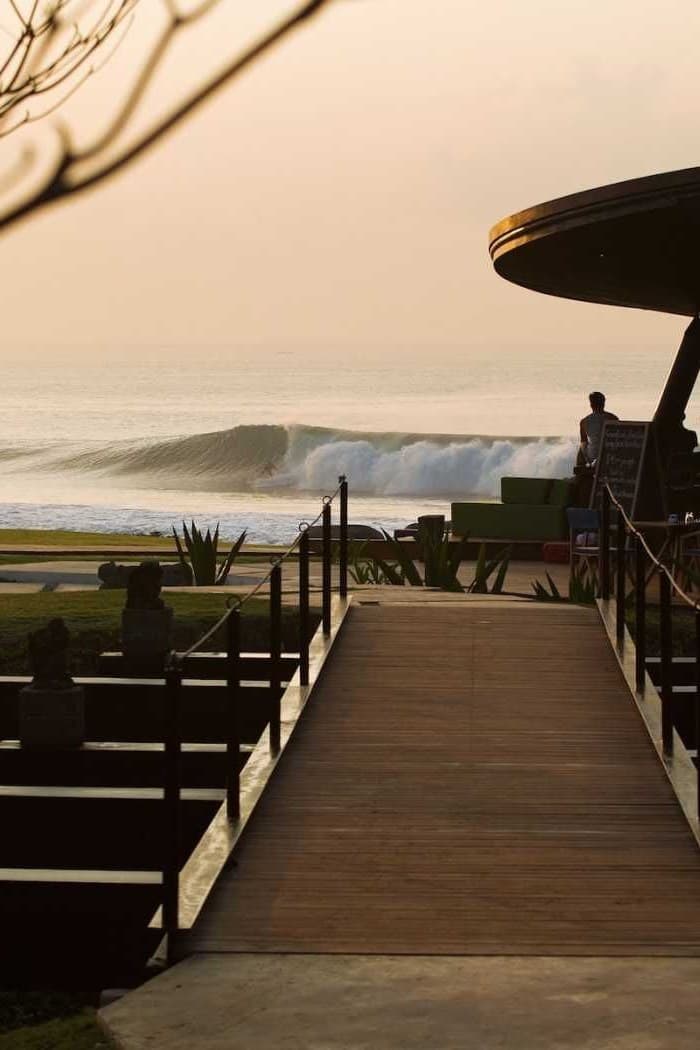
Base keluarga di tepi pantai KeramasFree Range Kids Club · kolam renang 25 m · pesisir timur Bali
Get the weekly Bali family digest
Events, new guides, one seasonal tip. No spam.
One email a week. Unsubscribe anytime.
Artikel Terkait
Mitra keluarga Bali tepercaya
Mogi Artperience
SanurMogi Artperience adalah studio seni yang hangat dan kreatif di Sanur, Bali, tempat anak-anak dan keluarga bisa menikmati kelas melukis, m…
Lihat mitra →Everytuft Bali
CangguStudio tufting langsung di Canggu, tempat anak-anak, remaja, dan orang dewasa bisa bikin karpet sendiri dari nol. Pilih salah satu desain…
Lihat mitra →Bali Arthouse
Umalas**Bahasa Indonesia:** Bali Arthouse adalah kafe seni sekaligus ruang komunitas di Umalas. Pilih aktivitas kreatif dari menu seni harian m…
Lihat mitra →