Bali Supermarket Guide for Families 2026: What to Buy Where
Need personalized advice for your Bali journey? Ask our AI Bali Mom—expertly trained by parents with 10+ years on the island.
Start Chatting →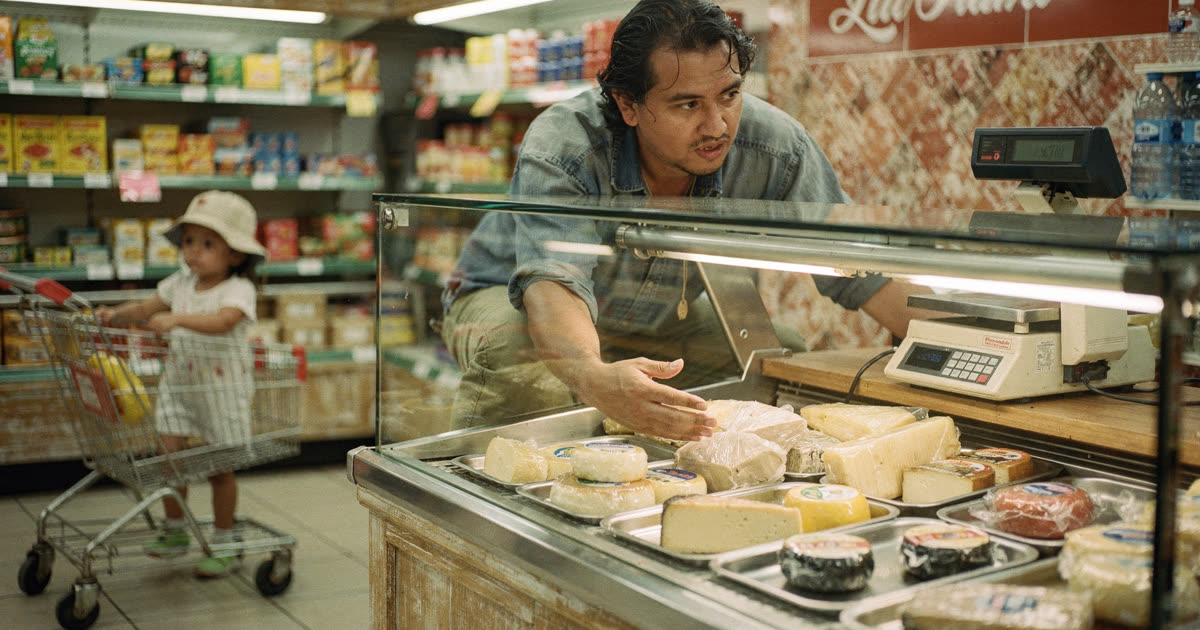
Bali Supermarket Guide for Families 2026: What to Buy Where
Pepito Market (Seminyak & Canggu) and Bintang Supermarket (Seminyak) are the two supermarkets in Bali that reliably stock Western baby food, kids' snacks, and imported staples. For specialty frozen and refrigerated European goods, The Frozen in Canggu fills the gaps both miss. Expect to pay 2–4x home prices on imports — a jar of Heinz baby food runs around Rp 65,000 (roughly AU$6 or £3.20) versus under AU$2 back home.
The Reality of Shopping in Bali
Most families arrive expecting something like a European expat supermarket. What they find is a patchwork, and that's fine once you know how it works.
Bali's supermarket scene splits into three tiers. Local Indonesian markets (Tiara, Pepito's budget sections, Circle K) handle everyday staples cheaply. Mid-range Western-stocked stores like Bintang and Pepito serve the expat core. Specialty import shops fill the niche gaps: organic, frozen, specific brands you can't find anywhere else.
Don't assume one store covers everything. Experienced Bali families recommend splitting your weekly run across two or three stops — typically a pasar for fresh produce, Pepito or Bintang for Western imports, and The Frozen when the freezer needs restocking. Once you build that rhythm, it clicks.
Prices are the other shock. A jar of Heinz baby food runs Rp 55,000–80,000, roughly 3x what you'd pay in Australia or the UK (based on consistent pricing reported across Canggu and Seminyak expat community groups, 2025–2026). A box of Weetabix is around Rp 120,000. That's import markup, Bali logistics, and currency. You adapt. Most families mix local fruit and veg from the pasar (cheap, fresh, excellent) with imported dairy and snacks from Pepito or Bintang, and specialty frozen goods from The Frozen.
Vetted Recommendations
Pepito Market — Seminyak & Canggu
Pepito is the go-to for expat families across Bali's main corridors. Both locations stock a solid range of imported baby food (HiPP, Heinz, Gerber), Western cereals, pasta, sauces, and a decent cheese and deli counter. The Canggu location on Jl. Nelayan is better stocked for families than the Seminyak branch, though both are reliable.
Prices run 2–3x home on most imports. But the range is real — you'll find things here that simply don't exist elsewhere in Bali. The fresh bakery section is a bonus. Go early on weekends; the popular items move fast.
Bintang Supermarket — Seminyak
Bintang is Seminyak's anchor expat store and has been for years. It's smaller than Pepito but punches above its weight on certain Western brands, particularly UHT milks, yoghurts, and packaged kids' snacks. The Jl. Raya Seminyak location is walkable from most of the Seminyak strip.
Where Bintang wins: it's quick, well-organised, and the staff know where things are. According to local expat communities, Bintang is often the faster choice when you need specific imports without committing to a full shop. Cold chain is well-maintained, which matters for dairy with kids.
The Frozen — Canggu
The Frozen is in a category of its own. It's a specialty import store for frozen and refrigerated Western goods, the kind that fills real gaps for families: frozen peas that aren't mushy, real bacon, European butter, proper pastry dough. For families managing dietary needs or missing specific items, this is a regular stop.
Prices are premium. But for what it stocks, there's often no alternative in Bali. Located in Canggu, it's worth a dedicated trip when you're building a weekly freezer stock.
Supporting Cast
- Pepito Online — delivery option, variable stock accuracy but handy for heavy staples
- Tiara Dewata (Denpasar) — larger floor, better for bulk Indonesian staples if you're in Denpasar anyway
- Ranch Market (Kuta / Denpasar) — solid for premium local produce and some imports; good meat section
- Local pasar (traditional market) — unbeatable for fresh fruit, vegetables, and local tofu/tempeh at a fraction of supermarket prices
Pro-Tips: What the Locals Know
- Fresh produce belongs at the pasar, not the supermarket. Local markets are fresher, cheaper, and you're supporting the community. Learn a handful of Bahasa words and vendors will look after you.
- Check expiry dates on every import, especially baby food. Long transit times and variable storage mean short-dated stock is common. Experienced Bali families treat this as non-negotiable, particularly for anything going to infants.
- UHT milk is your friend in Bali. Refrigerated fresh milk is available but turns fast in the humidity. Most long-term families rely on UHT for cooking and cereal.
- Pepito restocks mid-week — Thursday and Friday have the fullest shelves. Weekend shopping often means empty Western cereal and yoghurt sections.
- WhatsApp groups are gold. Ask in your local Canggu Families or Seminyak Expats group when something specific is back in stock. According to local expat communities, these groups track restocks more reliably than any store's own social media.
- Don't pay supermarket prices for bottled water. Get a bulk galon delivery service — around Rp 20,000 per 19L versus Rp 8,000–12,000 per 1.5L at the supermarket. Far cheaper, far less plastic.
- Frozen meat quality varies wildly — The Frozen and Ranch Market are the two reliable options. Supermarket frozen meat provenance is murkier.
- Organic and allergen-free items are genuinely limited. If your child has specific needs, bring a good supply from home and map your local sources before you run out.
A Conscious Note
It's easy to spend your whole Bali grocery budget chasing Western imports and miss what's right in front of you. Local produce here, the salak, the manggis, the papayas, is extraordinary, seasonal, and grown nearby. Local warungs and markets support families who've been farming this island for generations. The more of your weekly spend you route through local channels, the more you're actually part of the community. Bali's food culture is rich enough to anchor most of your family's meals. Let the imports fill the specific gaps, not replace the whole table.
Quick-Reference FAQ
Which Bali supermarket has the best range of baby food? Pepito Market — with locations in both Seminyak and Canggu — carries the widest range of imported baby food brands in Bali, including HiPP, Heinz, and Gerber. Experienced Bali families recommend the Canggu branch on Jl. Nelayan as the better-stocked of the two for infant and toddler products. Stock varies week to week, so mid-week visits (Thursday or Friday) consistently yield the best availability before weekend crowds clear the shelves.
How much more expensive are imported groceries in Bali compared to Australia or the UK? Most Western imports in Bali cost 2–4x what you'd pay at home. A jar of Heinz baby food runs Rp 55,000–80,000 (roughly 3x Australian or UK retail), and a box of Weetabix sits around Rp 120,000. Basic staples like local pasta, tinned tomatoes, and UHT milk are more reasonable. The heaviest markups fall on specialty items, certified organic products, and niche European brands — these can reach 4–5x home pricing when available at all. According to long-term expat families in Canggu and Seminyak, budgeting an extra 30–40% above your home grocery spend for the first few months is a practical baseline while you learn which items to source locally.
Is there a supermarket in Canggu that stocks Western frozen goods? The Frozen in Canggu is the specialist option for imported frozen and refrigerated goods that standard Bali supermarkets don't carry — think European butter, proper bacon, frozen vegetables that hold their texture, and pastry dough. It is not a general supermarket; it's a dedicated import store with premium pricing to match. Experienced Bali families with specific dietary requirements or strong brand preferences treat it as a regular stop rather than a luxury, because for many items it is simply the only source on the island.
Get the weekly Bali family digest
Events, new guides, one seasonal tip. No spam.
One email a week. Unsubscribe anytime.
Related Articles
Trusted Bali family partners
Billie's
Kerobokan / Munggu / LombokBillie's is a shop with locations in Kerobokan, Munggu, and Lombok, offering a free bracelet from a selected range with a minimum spend o…
View partner →Pippa & Luca
Canggu / UmalasDiscover Pippa & Luca, a delightful children's boutique in Canggu and Umalas, Bali, where charming clothes and accessories await your lit…
View partner →EPIC
EPIC is a Bali-born kids clothing brand crafting beautifully soft muslin cotton pieces for babies and toddlers — lightweight, breathable,…
View partner →