Baby Turtle Release Bali 2026: Real vs Tourist Trap | Knowmads Bali
Need personalized advice for your Bali journey? Ask our AI Bali Mom—expertly trained by parents with 10+ years on the island.
Start Chatting →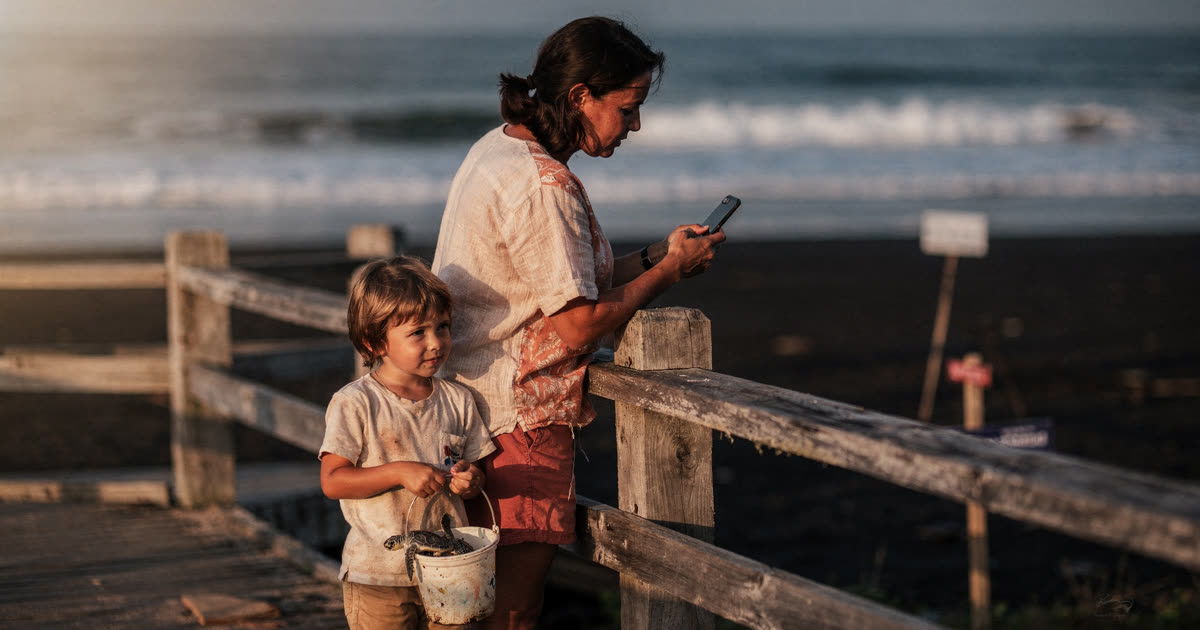
Baby Turtle Release Bali 2026: Real vs Tourist Trap
The two most legitimate baby turtle release programs in Bali for toddlers in June are the Turtle Conservation and Education Center (TCEC) on Serangan Island and the Karma Kandara beach release in Ungasan. Both welcome young children, operate proper conservation hatcheries, and release hatchlings permanently into the ocean. Avoid any beach vendor who approaches with a bucket and a price tag.
The Reality of Animals in Bali
Let me say this plainly: Bali has a serious problem with animal experiences that look magical in photos and are quietly terrible. The Ubud Monkey Forest has feeding policies that erode natural behavior. The elephant parks, most of them, are not what they claim to be. And the turtle release scene has the same split: a handful of good programs doing real conservation work, surrounded by opportunistic operations that exploit the emotional appeal of baby animals.
The pitch usually goes like this: you're walking Seminyak beach at dusk, someone appears with a styrofoam box of hatchlings and says that for a small "donation" you can release them. The turtles are stressed, dehydrated, often kept in poor conditions. Some are recaptured after release and cycled through again the next day. You are not helping them. You are funding their captivity.
The legitimate programs are wonderful. These are conservation organizations that monitor nests, protect eggs from poachers, and raise hatchlings only until they're ready to survive. Bali's most common nesting species, the green sea turtle (Chelonia mydas), is classified as Endangered on the IUCN Red List — which makes every hatchling that reaches open water meaningful. A release at a vetted center is real. Those turtles are going into the ocean for good. Your kids will feel the difference.

Vetted Recommendations
Turtle Conservation and Education Center (TCEC), Serangan Island
TCEC is the most established turtle conservation site in Bali. Located on Serangan Island, a 15-20 minute drive from Sanur, this center is supported by the Indonesian government and has been operating for decades. They take conservation seriously: nest monitoring, illegal trade rescue and rehabilitation, and community education are all central to what they do.
Visits are structured and educational. There's an on-site museum, tanks where you can see turtles at various life stages, and scheduled release events. Families who've visited with toddlers consistently describe it as one of the most memorable experiences of their Bali trip — manageable grounds, patient staff, and the kind of moment your kid will still talk about at age ten.
Timing: releases typically happen at dawn or dusk. Turtle eggs incubate for roughly 60 days, so June releases draw from nests laid in late March and April — later than peak season, but still common. Call ahead or check their social channels before visiting. Release days depend on hatch cycles, not a fixed calendar.
Bali Sea Turtle Society (BSTS)
BSTS is the NGO arm of turtle conservation in Bali, focused on beach patrol, nest protection, and community engagement. They work closely with local fishing communities, historically the biggest risk to turtle eggs, and have transformed many former egg collectors into active nest guardians. That community partnership approach is exactly the kind of conservation that holds.
BSTS doesn't always have public release events in the same way TCEC does, but they run beach walks, nest monitoring participation, and educational programs that families can join. If you want to go deeper than a single release — if you want your kids to understand why the turtles need protecting — experienced Bali families recommend a morning with BSTS as the most meaningful option on the island.
Contact them directly for June availability. They're responsive and happy to connect with families who want to engage meaningfully.
Karma Kandara / Karma Beach Turtle Release Program, Ungasan
For families staying in the Bukit area or Uluwatu, the Karma Kandara resort runs one of the most polished turtle release experiences on the island. The program is legitimate: they work with a hatchery, monitor nests on the beach below the cliff, and run releases when hatchlings are ready.
The setting is spectacular. Karma Beach is accessed by a funicular down the clifface, and releases happen at the water's edge at sunset. It's more curated than TCEC, which suits some families perfectly. The resort opens its release program to non-guests (book in advance), and the experience is well-run.
Worth noting: this is a premium experience at a luxury property. According to expat families based in Bali, TCEC gives you just as much heart for a fraction of the cost — but Karma Kandara wins on atmosphere if you're already staying nearby and the sunset setting appeals.
Pro-Tips: What the Locals Know
- June is a good month. Green turtle nesting peaks November–March, but June hatchlings from late-season nests are common. TCEC and BSTS will have activity.
- Always book in advance. Release days follow nature's schedule, not yours. The centers will tell you when to come.
- Dawn releases are gentler on hatchlings: cooler sand, less predator pressure, and a quieter experience for small children. Experienced Bali families with toddlers consistently prefer the dawn slot over sunset.
- Never pay a stranger on a beach. No legitimate organization operates via unsolicited beachside pitches.
- Photos are fine at vetted centers. Flash photography is not. Trust the staff's guidance.
- Bring a change of clothes for toddlers. They will end up wet and sandy.
- Serangan is easy from Sanur: 15-20 minutes by car, no boat needed.
- Ask what percentage of their funding goes to local community wages. Good programs will answer directly. Evasive answers are a signal.
A Conscious Note
Baby turtle releases hit differently when you know the backstory: each hatchling is making it to the ocean because a community member chose to protect that nest instead of selling the eggs. The most regenerative thing you can do here isn't just picking the right program. It's showing up with your kids as students, not consumers. Buy from the TCEC shop. Leave a donation that acknowledges the staff's wages, not just the experience. Ask the guide where they're from, what drew them to this work. The ocean belongs to these communities long after we fly home, and conservation wins or loses based on whether local people find it worth protecting. Your visit is part of that equation.
Quick-Reference FAQ
Which Bali turtle release program is best for toddlers? For toddlers in Bali, the Turtle Conservation and Education Center (TCEC) on Serangan Island is the top recommendation: it's government-supported, has been operating for decades, offers structured family visits with an on-site museum and hatchling tanks, and is a straightforward 15-20 minute drive from Sanur. Karma Kandara in Ungasan is an excellent alternative for families staying on the Bukit Peninsula who want a more curated sunset experience at a legitimate resort-based hatchery. Both programs release hatchlings permanently into the ocean — no recycling, no exploitation. For families who want a deeper educational experience, experienced Bali parents recommend pairing either visit with a BSTS beach walk.
How do I know if a turtle release in Bali is a scam? A turtle release is a scam if someone approaches you unsolicited on a beach with hatchlings in a bucket or box and asks for a cash "donation" to release them on the spot. Legitimate programs never operate this way. According to local expat communities and conservation advocates, genuine turtle release programs in Bali are based at fixed, named conservation centers — TCEC, BSTS, or Karma Kandara — require advance contact, and release hatchlings only once into the ocean permanently. If there's no hatchery to visit, no verifiable organizational name, and no ability to book ahead, walk away. The turtles in those buckets are almost certainly being cycled back into captivity.
Can we see turtles in Bali in June 2026? Yes — June is a viable month for baby turtle releases in Bali. While peak nesting season for green sea turtles runs November through March, eggs laid in late March and April take roughly 60 days to incubate, which means June releases at TCEC and through BSTS are common but not guaranteed on any specific date. Contact TCEC or BSTS directly in the week before your visit to confirm what's hatching. Both organizations are responsive to family inquiries and will give you an honest read on timing rather than selling you a fixed itinerary that may not align with nature's schedule.
Get the weekly Bali family digest
Events, new guides, one seasonal tip. No spam.
One email a week. Unsubscribe anytime.
Related Articles
Trusted Bali family partners
Sama Sama Store
SesehSama Sama Store is a charming boutique nestled in Seseh, one of Bali's most serene and authentic villages, offering a lovingly curated se…
View partner →Berawa Luxe
Canggu20% off online and offline
View partner →Wildflwr
KedunguWildflwr is a beautifully curated boutique in Kedungu, Bali's laid-back surf village on the west coast, offering handpicked clothing, acc…
View partner →