Participating in Paradise: A Family Guide to Bali
Need personalized advice for your Bali journey? Ask our AI Bali Mom—expertly trained by parents with 10+ years on the island.
Start Chatting →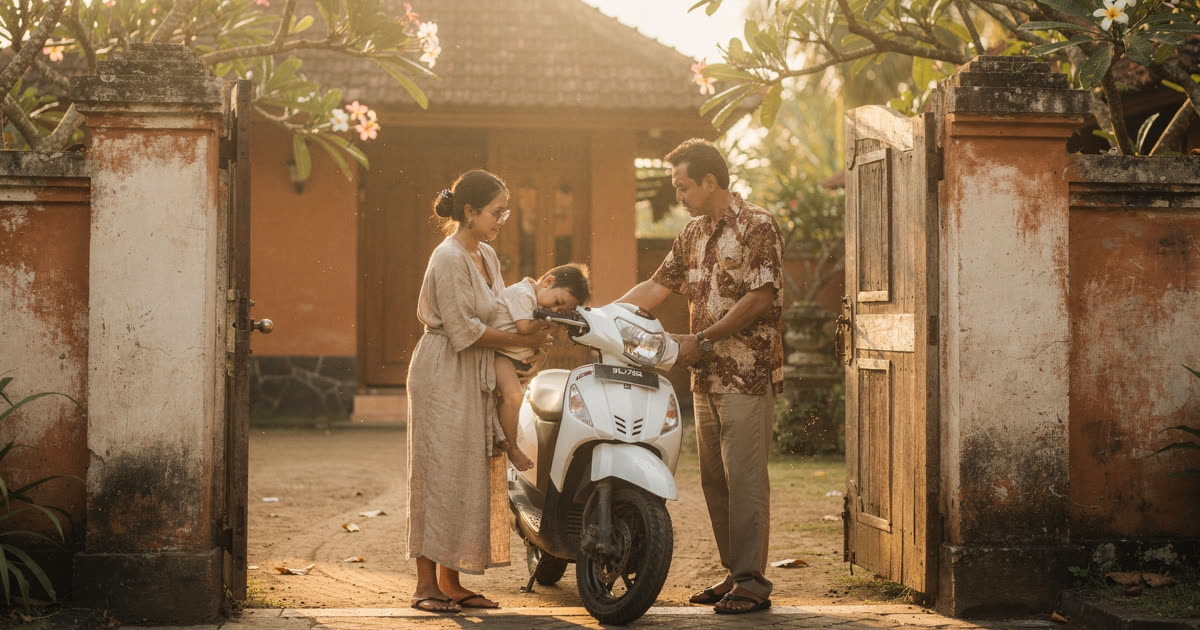
Participating in Paradise: A Family Guide to Bali's Life Cycle Ceremonies
Being invited to a Balinese life cycle ceremony is a profound honor and a window into the soul of the island. For expat families, understanding the nuances of these milestones ensures you participate with respect and deepen your community ties.
The Otonan: A Baby's Sacred Milestone
In Bali, a child's "Balinese birthday" occurs every 210 days. The "Otonan" ceremony is a vital milestone, especially the first one at six months (three months in the Balinese calendar).
- Significance: It marks the point where the child is fully welcomed to the earth. For the first Otonan, the child's feet touch the ground for the first time.
- Expats as Guests: If invited, you are witnessing a sacred family blessing. Children are often welcome, but ensure they remain respectful during the priest's (Pemangku) prayers.
- Gifts: A small gift for the baby (clothing, a toy) or a cash contribution in an envelope (IDR 100,000 – 200,000) is a warm gesture.
Weddings (Pewiwahan)
Balinese weddings are vibrant, multi-day affairs filled with ritual, music, and community banquets.
- Dress Code: "Pakaian Adat" (Traditional Dress) is highly recommended. For men: sarong, sash, and udeng. For women: kebaya, sarong, and sash. This shows deep respect for the occasion.
- The Feast: You will likely be invited to eat. The food is often spicy and local—enjoy what you can, as sharing a meal is a key part of the social bond.
- Gift Etiquette: Cash in an envelope is the most traditional and practical gift. Look for the "Kotak" (box) at the entrance to drop your contribution.
General Ceremony Protocol
Regardless of the milestone, these universal rules of etiquette apply to all participants.
- Head and Heart: Never sit or stand higher than the priest or the offerings. Avoid touching anyone's head, as it is considered the most sacred part of the body.
- Left Hand: Use your right hand for giving and receiving. The left hand is traditionally considered "unclean."
- Menstruation: Women who are menstruating are traditionally requested to avoid entering the inner sanctum of temples or participating in certain rituals.
- Patience: Ceremonies run on "Jam Karet" (Rubber Time). Relax, enjoy the atmosphere, and don't be in a rush to leave.
FAQ
Q: "Can I take photos during a ceremony?"
Q: "What should I do if I'm not sure of the protocol?"
Q: "Is it okay to bring my Western children to a temple ceremony?"
Get the weekly Bali family digest
Events, new guides, one seasonal tip. No spam.
One email a week. Unsubscribe anytime.
Related Articles
Trusted Bali family partners
Nouvelle Bookstore & Coffee
Seseh / CemagiNouvelle Bookstore & Coffee is an independent English-language bookstore and café on Jalan Pantai Seseh, where a carefully curated childr…
View partner →Wildflwr
KedunguWildflwr is a beautifully curated boutique in Kedungu, Bali's laid-back surf village on the west coast, offering handpicked clothing, acc…
View partner →Jeremy Ley Artshop
CangguJeremy Ley Artshop is a colourful little shop on Batu Bolong in Canggu, full of prints, postcards, stickers, tote bags, ceramics, keyring…
View partner →